A source-informed practical guide. Examples explain decisions and arithmetic; they are not claims of a kitchen trial by this publication.
Chilling can make dough easier to handle and influence how it spreads, but the purpose depends on the recipe. Some doughs are designed to bake immediately, while others rely on a cold rest. Begin by following the tested method rather than adding an overnight wait to every cookie. Cold dough and a corrected formula are not the same thing.
Name the purpose of the rest
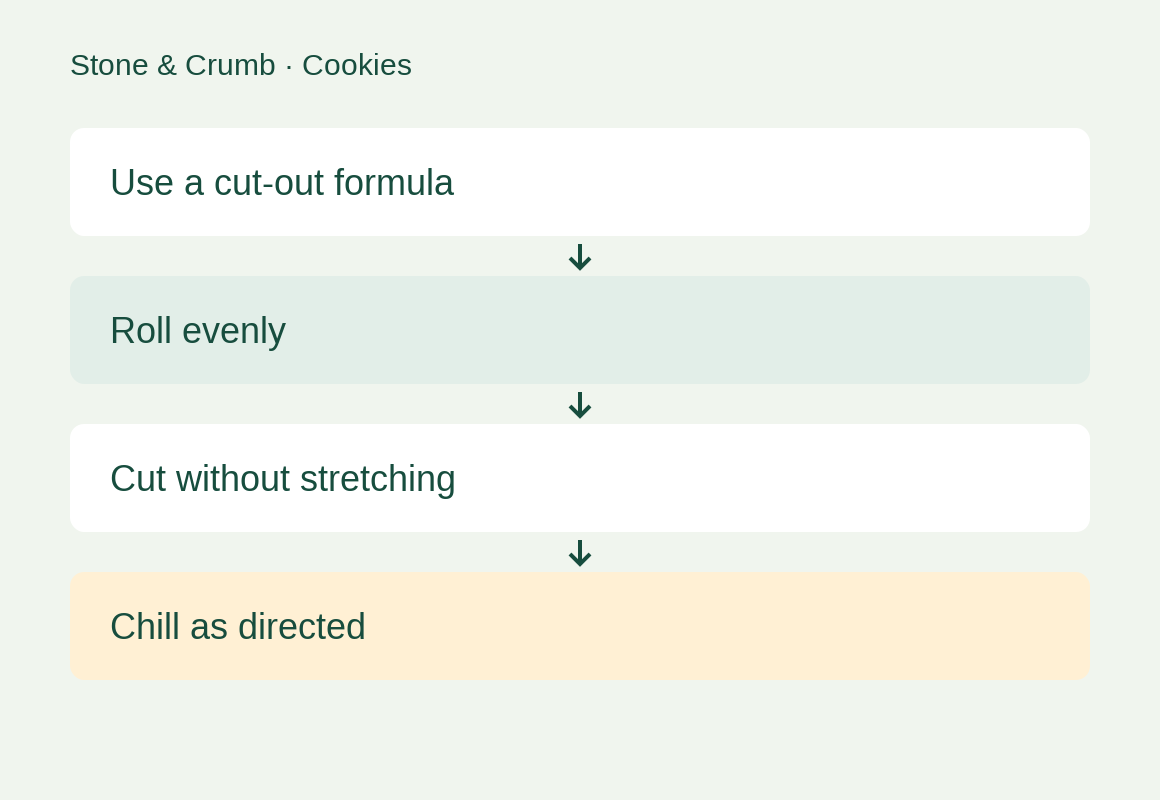
For a soft dough, chilling may make portioning practical. For cut-outs, it can help maintain workable shapes. In some drop-cookie recipes, an extended rest is a deliberate part of flavour and texture development. These purposes overlap, but they do not create one universal best chilling time.
Read whether the author asks you to chill before rolling, after shaping or both. A firm block may be difficult to scoop, while prepared portions may bake directly under recipe-specific instructions. Changing the order affects both your workload and the dough's starting shape.
Keep the rest controlled
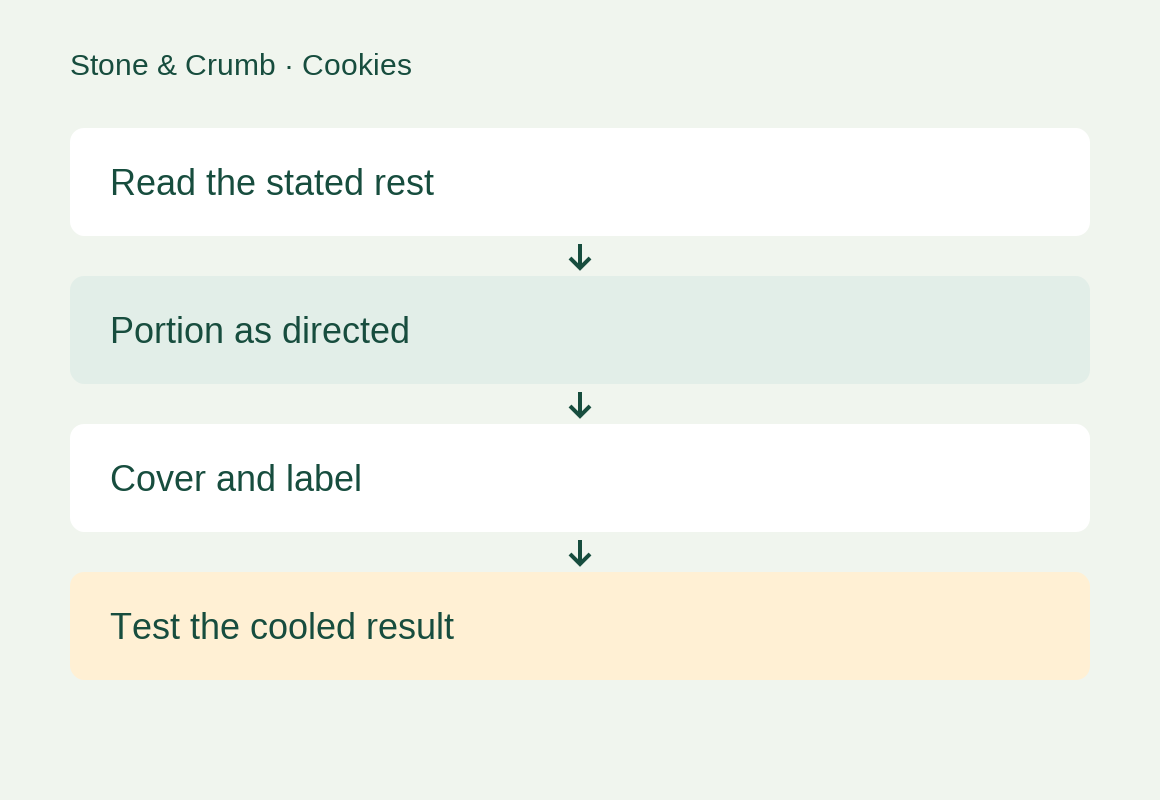
Cover the dough as directed so the exposed surface does not dry out. Label it with the recipe, preparation time and required next step. Follow refrigeration or freezing guidance for the actual ingredients. A long rest on the counter is not equivalent to a refrigerator rest.
If the recipe allows portioning before chilling, use equal weights and arrange portions so they do not fuse. Keep raw dough away from ready-to-eat foods and do not taste it to judge flavour. Use a properly baked test portion instead.
Compare what the rest changes
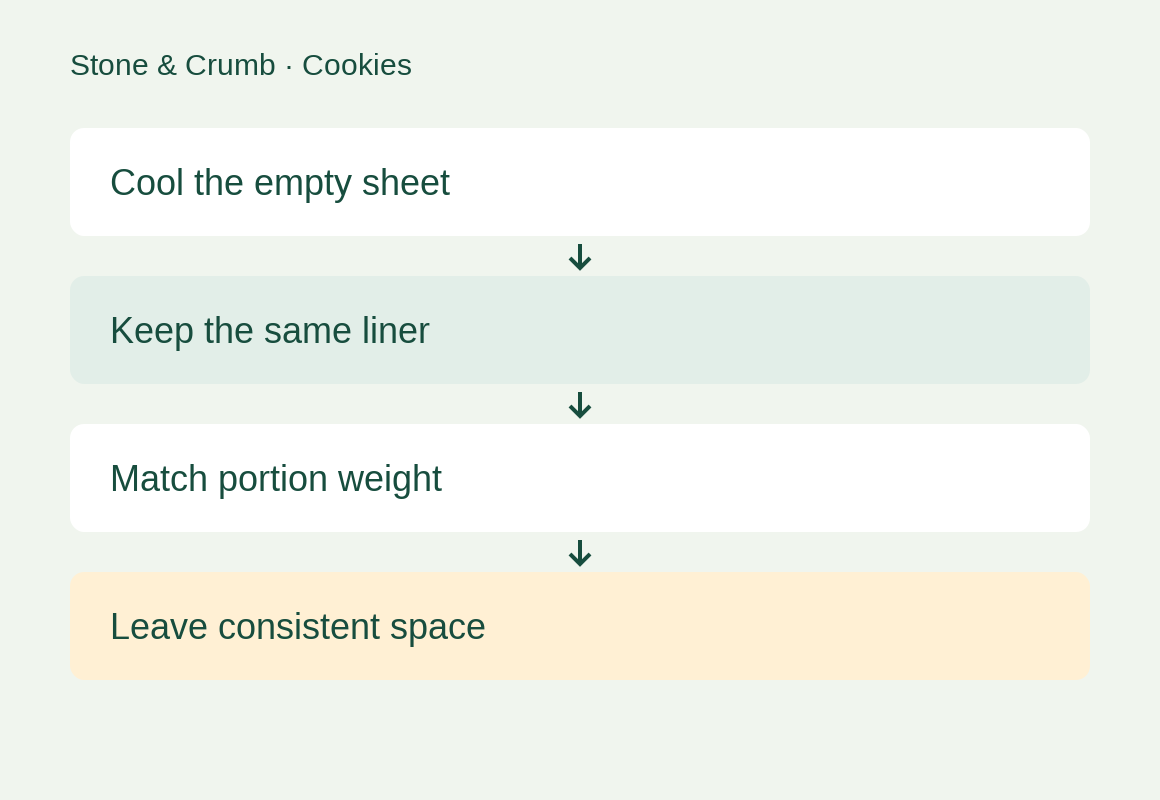
For a personal comparison, use one familiar recipe and equal portions on the same prepared, cooled tray type. Bake according to the recipe's supported conditions, then compare cooled diameter, thickness and texture. Keep the oven mode and portion shape consistent. Label your observation as a kitchen comparison, not proof that all cookies behave the same way.
Record the dough's condition at loading. “Chilled overnight” says little if the portions then spent a long time beside a hot oven. A note about handling and the actual wait makes the result easier to repeat.
Recognise the limits
A cold rest cannot restore an ingredient that was omitted or make a low-flour mixture identical to the intended dough. If spreading persists after following the specified rest, review ingredient quantities, butter type and baking surface. Do not keep extending storage as a substitute for checking the formula.
For a practical next step, bake two test pieces before a full tray and use cookie spread troubleshooting. Keep any recipe changes deliberate and small so you can tell whether the improvement came from chilling or from a different ingredient balance.