A better next bake.
Bread, cakes and cookies for real home kitchens. Find clear steps, understand what went wrong and know what to change next time.
What happened in your kitchen?
What would you like to work on?
Adjust a batch with the recipe scaler or compare cake pan sizes.
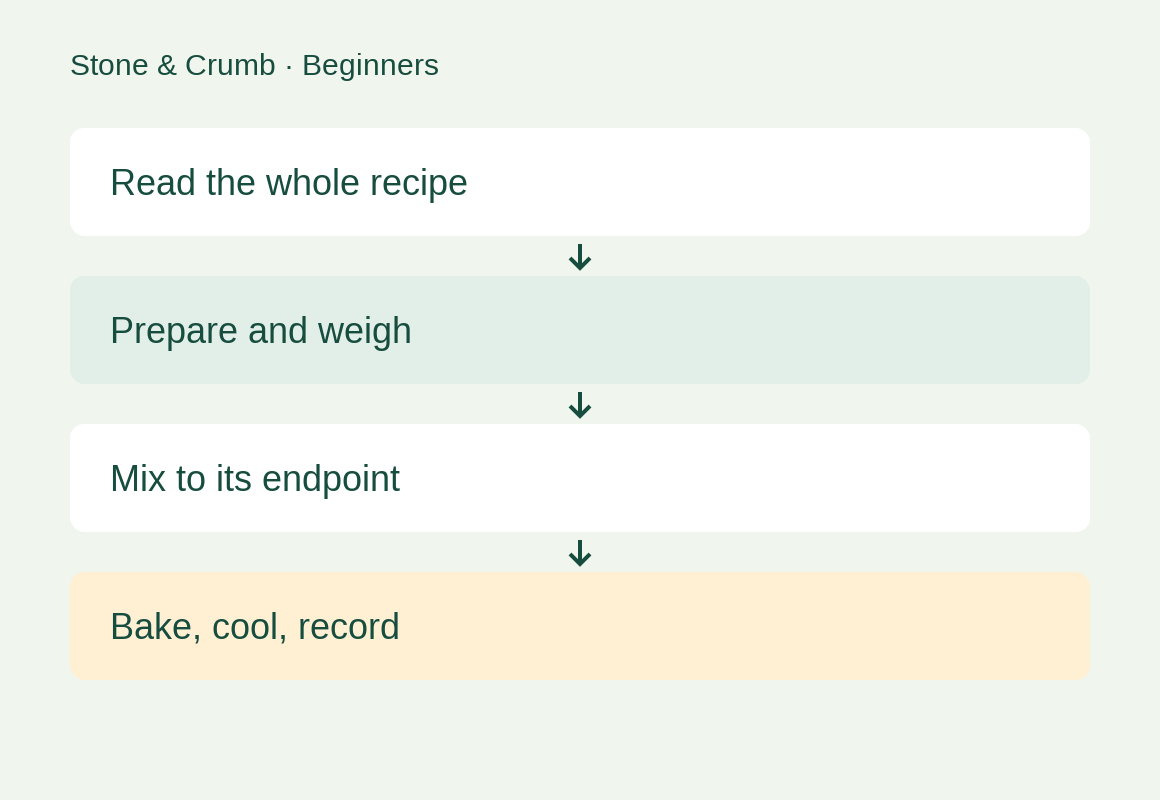
One story to begin with
A clear starting point: choose a manageable bake, prepare the kitchen and learn from the result.
 Read story
OUR EDITORIAL APPROACH
Every story begins with a record.
We build each article from sources readers can open: standards, research, equipment documentation, and archive records. Citations show what those sources support; when the evidence is incomplete, we say so.
How our standards workA curated series
Understand the dough before changing it
Move from quantities to handling, then judge readiness using more than the clock.
- Method Notes Bread Hydration: Calculate the Ratio, Then Judge the Dough Calculate total flour and water including starter, distinguish hydration from absorption, and adjust a bread formula deliberately.
- Bread Sticky Dough: What to Try Before Adding More Flour Distinguish normal tackiness from a measuring or development problem, and preserve your formula while improving dough handling.
- Bread Is Bread Ready to Bake? Use More Than the Clock or a Finger Poke Combine recipe-specific expansion, dough condition and gentle touch with temperature notes to judge a shaped wheat loaf's proof.
Choose a reading path
Practical sequences for the kitchen, with the bread culture collection kept close by.
Start with a cake
Follow the mixing method, choose the right pan and give cooling its place in the schedule.
Make cookies repeatable
Control the dough, handling and baking surface before changing the formula.
Explore bread culture
Keep the documented traditions and historical records in view.
New kitchen guides
 Read story
Cakes
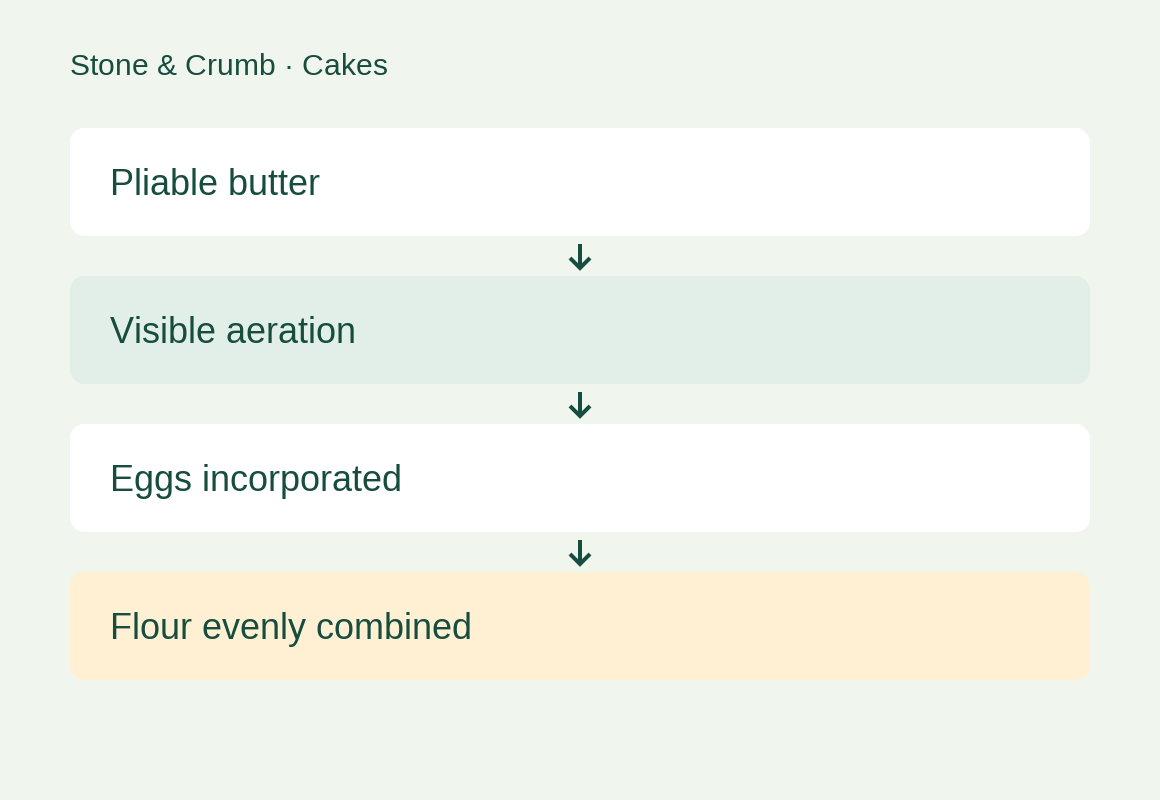
Butter Cake Mixing: What to Check Before the Flour Goes In
Recognise workable butter, scrape the bowl effectively, and add eggs and flour without relying on a fixed mixer time.
 Read story
Cakes
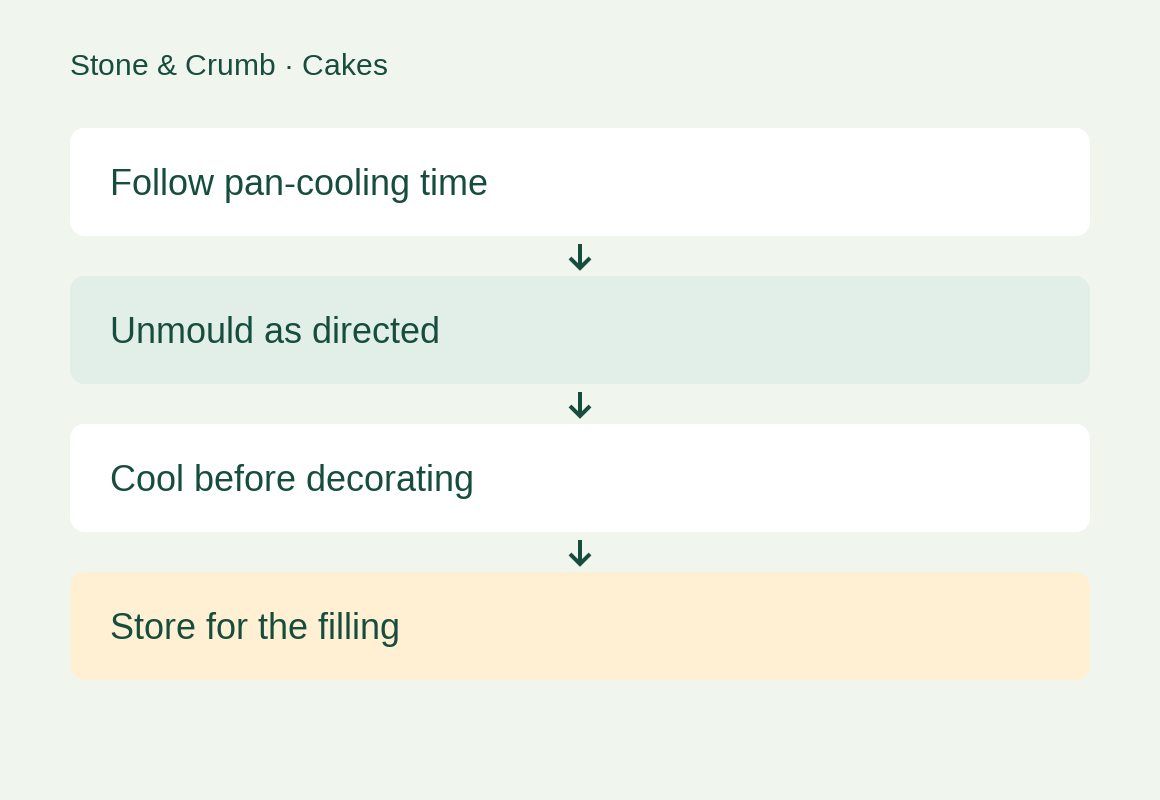
Cool, Wrap and Store Cake Without Losing the Finish
Plan unmoulding, frosting and storage around the cake and filling, with a clear distinction between texture and refrigeration needs.
 Read story
Go deeper into bread
Explore documented traditions, ingredients and methods in the original research collection.
- Bread AtlasRegional loaves and flatbreads described through the records that define them.
- Grain StoriesWhat the grain does before the baker touches it.
- Oven and ToolHeat, mass, steam, and the small tools that decide a crust.
- Method NotesProcess steps explained by what they actually change in dough.
- Food HeritageBread as it survives in archives, museums, and public records.
Bread at the table
The life around a loaf.
A loaf carries more than ingredients. These records follow bread through everyday bakery visits, shared meals and the knowledge kept alive around an oven.
-
France · Daily practice
The bakery is part of the ritual
UNESCO’s baguette record follows the loaf beyond its recipe: daily bakery visits, family meals and the skills passed through bakery apprenticeships.
Read UNESCO’s baguette record -
Five countries · Shared practice
Flatbread brings people into the process
UNESCO’s record traces lavash, katyrma, jupka and yufka through family and neighbourhood baking, shared meals and life ceremonies across five countries.
Read UNESCO’s flatbread record -
Azerbaijan · Family and neighbourhood
A tandir keeps knowledge in motion
UNESCO’s account of Azerbaijan’s tandir craft follows how families pass on oven-making and baking knowledge, with baking described as a practice that strengthens neighbourhood ties.
Read UNESCO’s tandir record
THE ARCHIVE
Find a story
Search 70 stories by title, section, or summary.
Enter a keyword to search the archive.