A source-informed practical guide. Examples explain decisions and arithmetic; they are not claims of a kitchen trial by this publication.
Proofing readiness belongs to a particular dough, shape and fermentation method. There is no single poke response or doubling rule that works for every loaf. Use the recipe's intended endpoint and combine several observations. This guide is aimed at shaped wheat doughs; rye-rich pastes and gluten-free batters can require different handling.
Separate the two rises
Bulk fermentation happens before division or final shaping. Final proof follows shaping and prepares the loaf for baking. A dough that was already very advanced during bulk may have little margin in its final proof. Record both stages rather than treating the last hour as an isolated event.
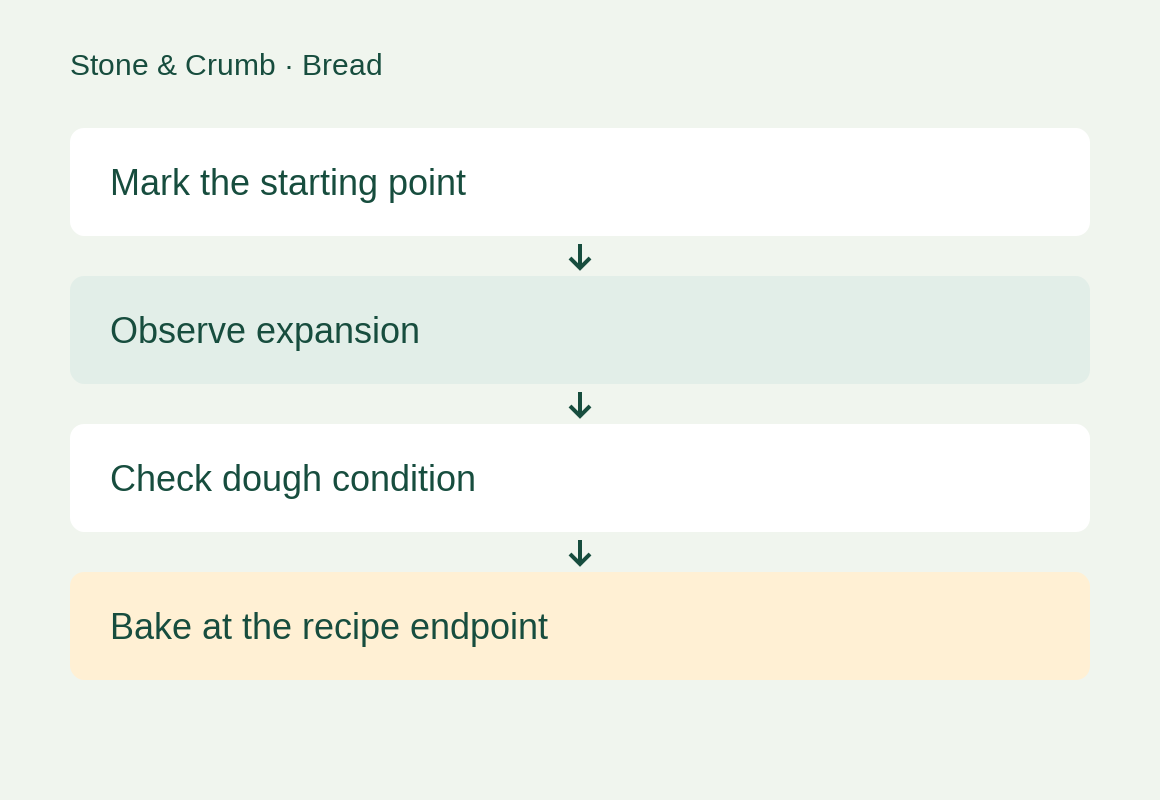
Mark the initial bulk level when practical, and take a simple photograph after shaping. The comparison helps you see expansion that is difficult to remember by eye. Record actual dough temperature and any refrigerator stage alongside the timing.
Look at the whole dough
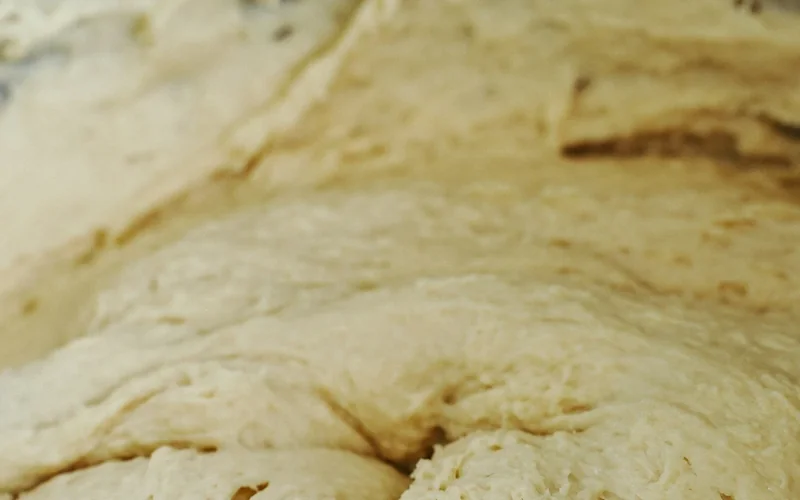
Use the recipe's description of volume, surface and aeration. Is the dough visibly fuller? Is it maintaining a supported shape, or becoming fragile and spreading? Does it feel consistent with the intended dough? Whole wheat, enriched and high-hydration doughs will not look identical at the same stage.
If you use a gentle touch test because the recipe recommends it, treat the response as one clue. Cold dough, a dry surface or a very wet formula can change the impression. Pressing repeatedly also damages the surface. A poke is not an instrument that independently measures fermentation.
Plan for temperature changes
A refrigerator slows dough gradually; the centre of a large mass does not instantly match the air temperature. Account for fermentation before and during chilling. Do not assume an overnight rest always adds the same amount of proofing, or that a warm kitchen changes timing by a fixed percentage.
Prepare the oven before the loaf reaches its endpoint so readiness does not become an unplanned wait. Follow the recipe on baking from cold or allowing a return to room temperature. Those methods are not automatically interchangeable.
Use the baked result to improve your judgement
After cooling, compare rise, scoring and crumb with the notes taken before loading. A dramatic burst is not alone proof of ideal readiness, and a modest spring is not alone proof of failure. Grain mix and intended shape affect both.
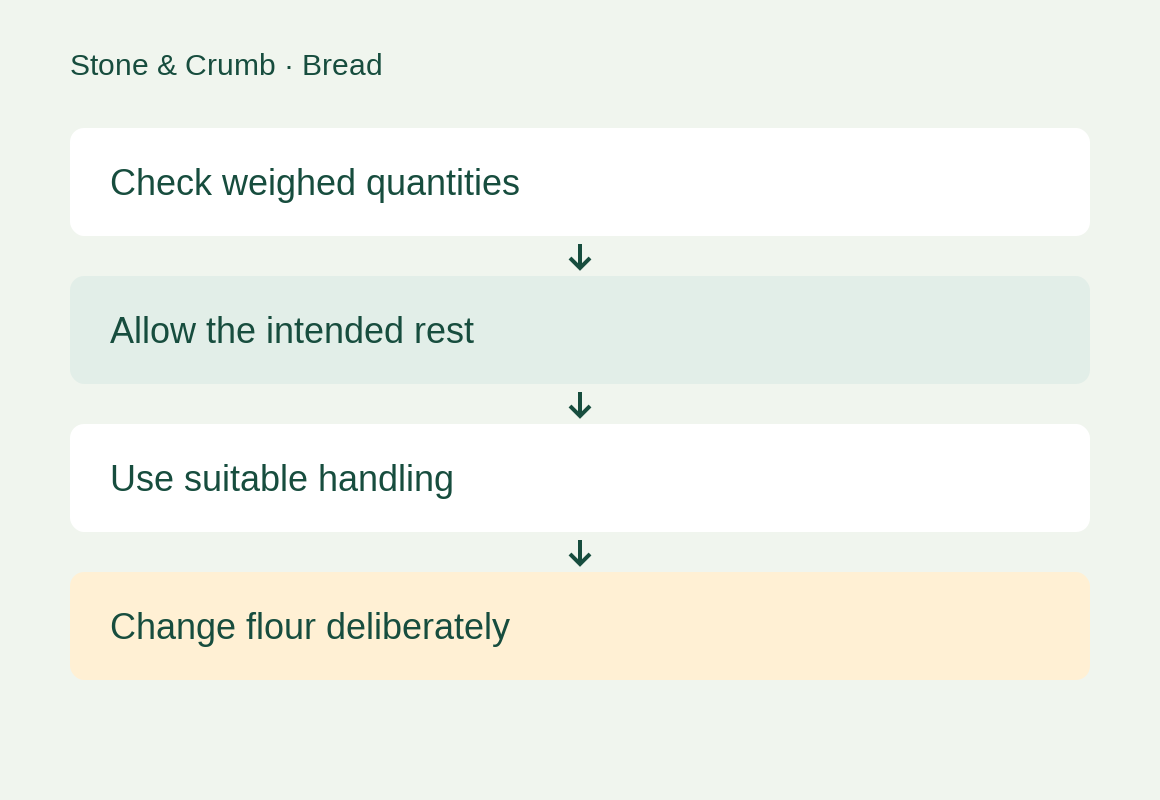
If you suspect underproofing, repeat the same formula with a deliberately observed later endpoint while preserving the other conditions. If the dough was fragile and collapsed, investigate a shorter fermentation or improved strength as the recipe supports. Keep the adjustment explicit and use dense bread diagnosis when more than one stage seems involved.