A source-informed practical guide. Examples explain decisions and arithmetic; they are not claims of a kitchen trial by this publication.
Sponge cakes rely heavily on aerated eggs, but not all sponges use the same method. Some whip whole eggs, some use separated eggs and others include added fat or chemical leavening. Identify the method before applying advice about stiff peaks or ungreased pans. A rule for angel food does not automatically apply to a butter-containing sponge.
Prepare before building the foam
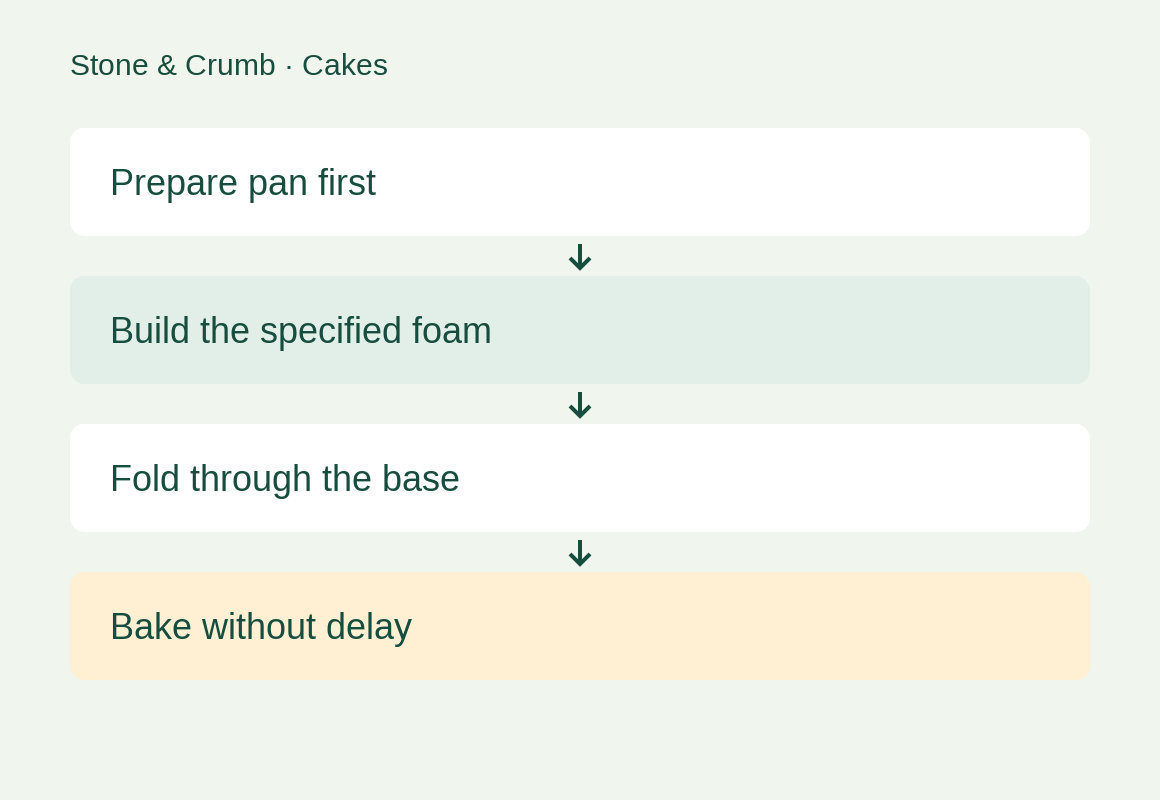
Measure ingredients, prepare the required pan and preheat as instructed before whipping eggs. Read whether the pan sides should be greased, lined or left untreated. That detail affects both release and how certain foams climb during baking. Do not change it because a different cake recipe used another technique.
Keep bowls and utensils appropriate for the foam. When separating eggs for a white-based foam, avoid yolk contamination and follow the recipe's cleanliness instructions. Weigh the required egg component if the recipe provides a mass; egg counts vary in actual quantity.
Use the named endpoint
A whole-egg ribbon stage describes a different appearance from peaks in whipped whites. Watch how the mixture falls from the whisk and how long the trail remains, using the recipe's own description. For whites, distinguish the requested soft, medium or firm peak rather than assuming the stiffest possible foam is best.
Stop occasionally to inspect instead of continuing while you prepare another ingredient. A foam that becomes dry and clumpy can be difficult to combine evenly with flour. If the recipe includes staged sugar additions, preserve their order rather than adding everything at once to save a minute.
Fold with a clear objective
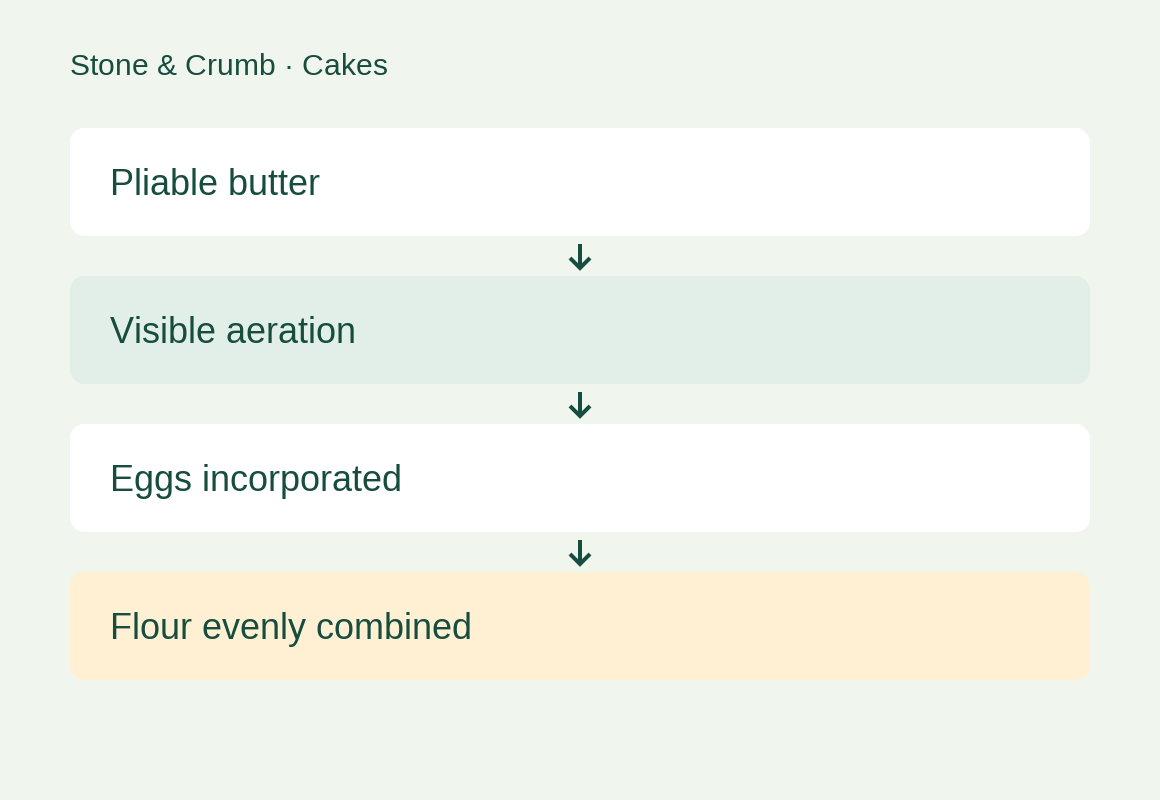
Folding aims to distribute ingredients while limiting unnecessary air loss. Use a broad spatula, pass down through the centre and along the base, then lift the mixture over itself while turning the bowl. Check underneath: flour can collect at the bottom even when the top looks smooth.
Stop when the mixture is uniform according to the recipe. A few deliberately slow movements that never reach the bottom are less useful than purposeful strokes that combine the whole bowl. If adding melted fat, follow the recipe's tempering or blending step; pouring heavy liquid straight into a delicate foam can create an uneven mixture.
Inspect the bake and cooling method together
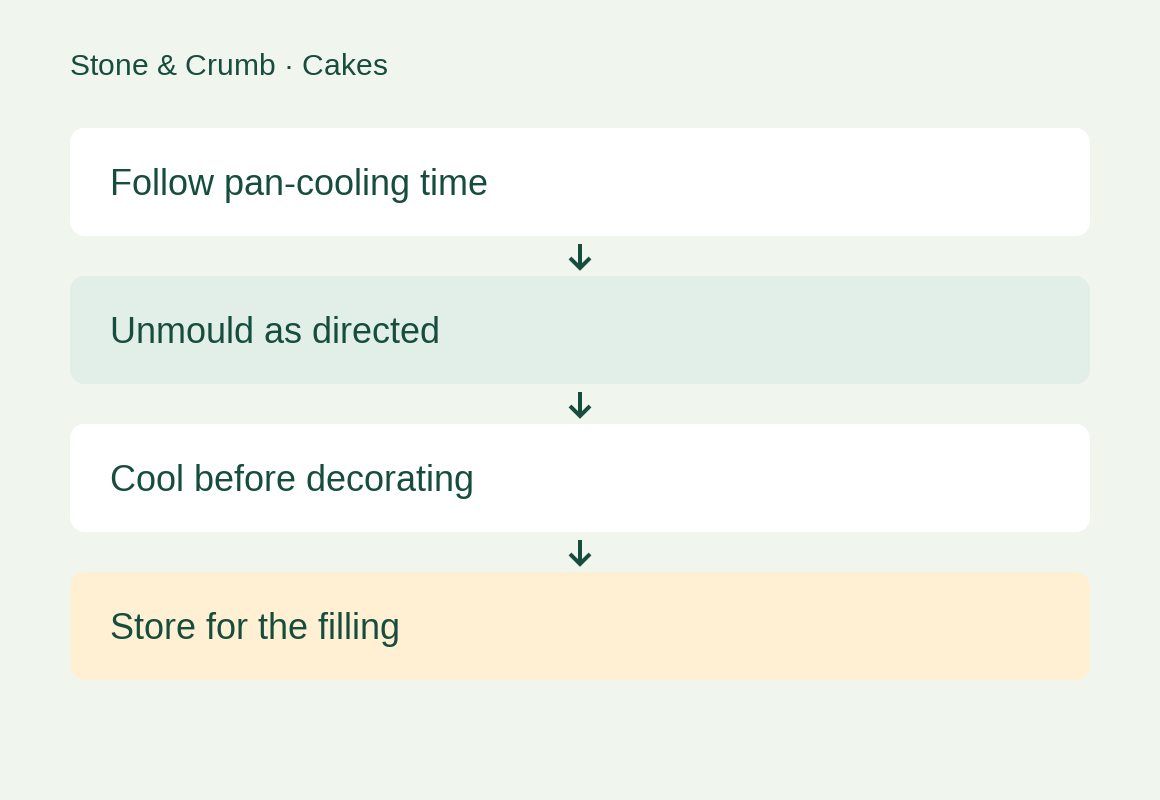
Transfer and bake according to the recipe without an unplanned wait. Avoid opening the door during an early vulnerable stage. Use its doneness tests rather than the maximum height seen through the glass. Some cakes need a particular inversion or cooling method; apply that only when specified.
After cooling, cut through the centre and compare texture at the top and bottom. Large irregular holes, a dense lower layer or a sunken centre are observations to record, not unique diagnoses. On your next batch keep the pan, formula and oven setup constant while correcting the most evident mixing issue. For a collapse after an apparently good rise, read why cake sinks before adding more leavener.