Autolyse is a pause in breadmaking: flour and water are mixed, then left to rest before the remaining ingredients and final mixing are added. Bakers use the pause to let flour hydrate and to change how the dough handles. The method is often described as though it guarantees extensibility, reduces kneading or improves flavour. The more precise answer is that an autolyse creates time for flour and water to interact; what follows depends on the flour, formula and schedule.
The American Society of Baking's reference describes the practice and its association with French baker and educator Raymond Calvel. In the autolyse chapter excerpt from Jeffrey Hamelman's professional baking text, flour and water are mixed before salt, yeast and preferments are added, with a 20-minute to one-hour rest described for that method. These sources give a practical definition; they do not establish that every flour benefits equally or that every rest produces a measurable improvement.
The basic sequence
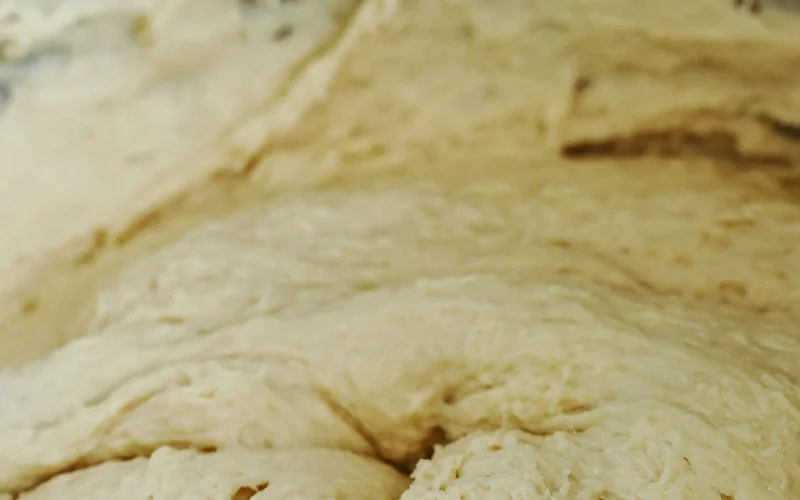
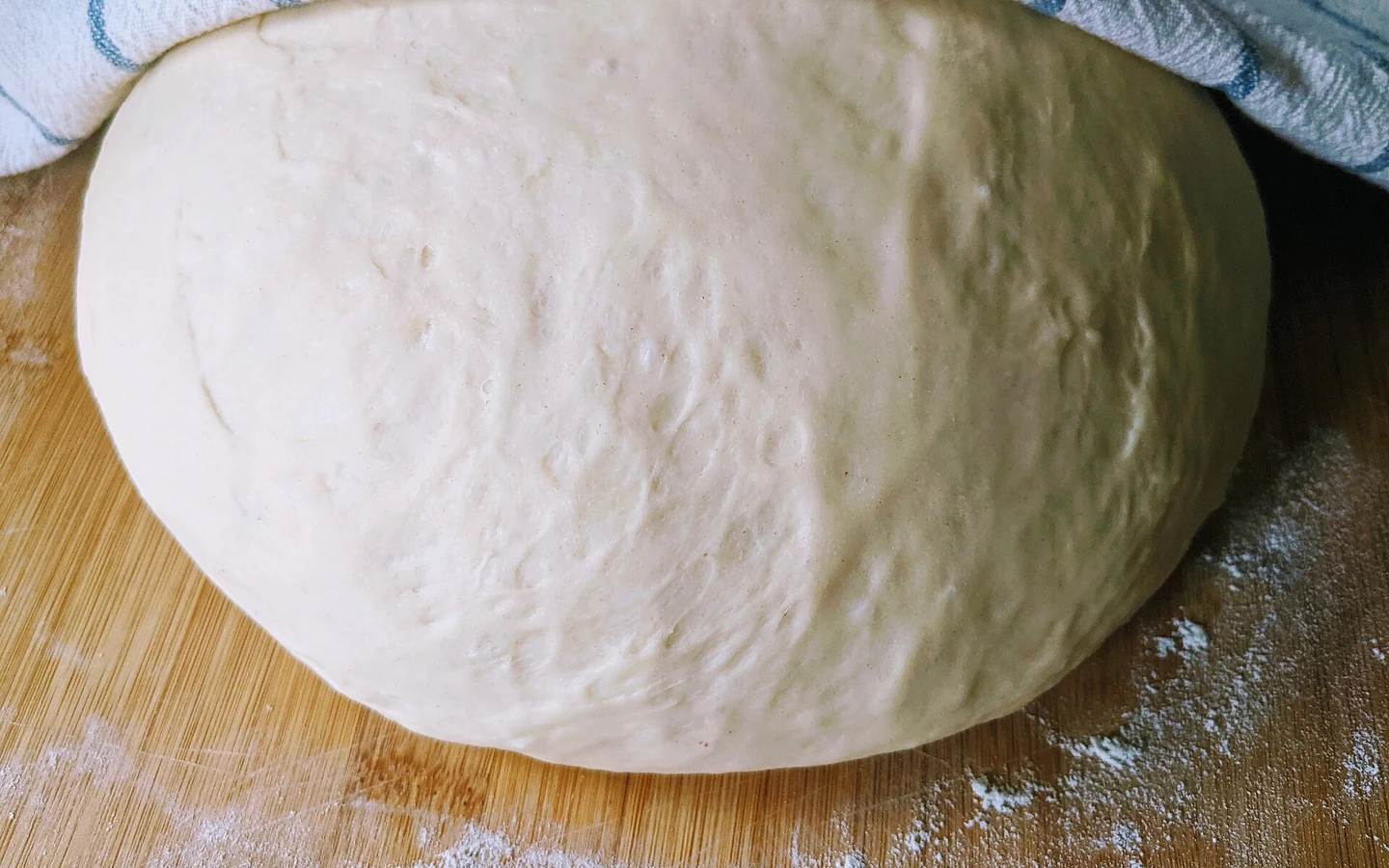
In a simple autolyse, the baker combines flour and water until no dry flour remains, covers the mixture and leaves it for a chosen interval. Salt and yeast or sourdough starter are commonly added later, followed by further mixing. Some bakers include a portion of prefermented dough or use a different sequence; the term is not always applied identically across all kitchens.
That simple order distinguishes autolyse from merely resting a fully mixed dough. Salt can tighten dough and alter the pace of hydration and enzymatic activity. Yeast and sourdough introduce fermentation. When the rest contains only flour and water, the baker can observe the flour's hydration before those additional processes begin.
The method does not require a special vessel or a dramatic transformation visible in minutes. Flour particles absorb water at different rates, and the blend of flour streams, extraction level, protein quality, temperature and particle size all shape the result. A rest is a process choice made within that material context.
Why hydration time can change handling
When flour and water are mixed, gluten-forming proteins begin hydrating, while starch and other flour components also take up water. During the rest, the mixture may become more cohesive or easier to stretch. Bakers sometimes report that less mechanical mixing is needed afterward. These observations are plausible reasons to use the technique, but they are not guarantees for every flour and hydration level.
The rest may also make dough feel smoother because water distribution becomes more even. A baker comparing two doughs needs to control the rest duration, temperature, flour, water, mixing intensity and formula. If several variables change at once, the effect cannot confidently be assigned to autolyse alone.
The Journal of Cereal Science study examines rheological properties under defined mixing and rest conditions. Rheology describes how a material deforms and flows under force. Such measurements can show changes in dough behavior, but a rheology curve is not the same thing as a blinded tasting or a finished-loaf quality judgment. Laboratory and baking outcomes should be connected carefully rather than treated as identical.
Enzymes are involved, but avoid overclaiming
Flour naturally contains enzymes that act when hydrated. Proteases can affect proteins, and amylases act on starch. During a rest, enzymatic activity may contribute to changes in dough structure. This is one reason time and temperature matter: activity occurs at different rates under different conditions.
It is tempting to turn this into a dramatic claim that autolyse “develops all the gluten” or “breaks down the dough.” Both are too broad. Gluten development is affected by hydration, mechanical work and the structure of the proteins. Enzyme activity is real, but its extent depends on flour, time, temperature and the presence or absence of salt and fermenting organisms.
Long rests can have different consequences from short rests. In some circumstances, extended hydration may make a dough slack or sticky, particularly if flour properties and temperature favor rapid change. A rest is not inherently beneficial simply because it is longer. The baker's goal is to reach a workable dough with the desired final characteristics, not maximize the duration of every stage.
Autolyse versus fermentation
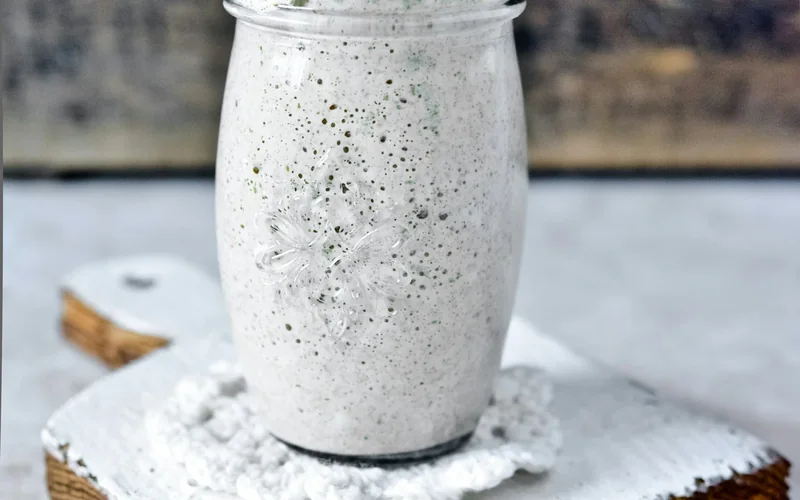
An autolyse is not the same as bulk fermentation. In a classic flour-and-water rest without starter or yeast, fermentation is not the defining activity. Once a preferment or sourdough is included, microorganisms begin producing acids and gas, and the process is better described as a fermentolyse or another mixed rest depending on the baker's terminology.
This distinction matters when comparing recipes. A two-hour rest with sourdough starter is not directly comparable to a two-hour flour-water autolyse. The dough's acidity, gas production and microbial activity differ. If a baker says a rest improved flavour, the explanation might involve fermentation rather than hydration alone.
The same caution applies to salt. Some bakers add salt at the start; others leave it out until mixing. Because salt affects dough and fermentation, those schedules are not experimentally equivalent. The word autolyse can cover a family of related practices, so a careful description names what was included and how long the rest lasted.
What it can change in a bakery schedule
Autolyse also has a practical production effect: it changes when the baker spends attention and equipment time. A rest can be scheduled while a mixer is used for another batch or while other preparation happens. That may be useful even if a dramatic dough-strength change is not measurable. Process value includes workflow, not only chemistry.
At the same time, rests require planning. Flour and water are tied up in a container, the dough needs to be protected from drying and contamination, and the baker must coordinate the later addition of salt, yeast or levain. In a busy bakery, an additional holding stage can create complexity. Whether the method saves labor depends on the production system.
The right comparison is not “autolyse versus no skill.” It is a defined process against another defined process. If the baker wants to know whether the rest reduces mixer time, compare matched batches with consistent temperature, flour, formula and target dough development. If the question is about loaf volume or flavor, measure those outcomes separately.
How to run a useful comparison
A home baker can learn by changing one variable. Make two small batches with the same flour, water, salt, leavening and mixing endpoint. Rest one flour-water mixture for a fixed time before adding the remaining ingredients; mix the other without that rest. Keep dough temperature and proofing conditions as close as possible. Record water feel, mixing time, extensibility, proof behavior and finished crumb.
One pair of loaves is not a controlled scientific study, but it can help a baker understand a flour and process. Repeat the comparison before drawing a strong conclusion. Sensory impressions are valuable, but they can be influenced by expectation and small differences in shaping or bake.
In a technical study, the sample size, measurement methods and statistical analysis matter. A published result on one wheat flour at a particular hydration and temperature cannot automatically predict another flour or a sourdough formula. The research supplies evidence about its own conditions, not a universal instruction.
Keep the resting stage separate in a trial log: record when flour and water were combined, when the remaining ingredients were added, and how the dough handled afterward. That sequence makes comparisons between bakes easier to interpret.
When the pause is useful
Autolyse can be useful when a baker wants to hydrate flour before final mixing, observe how the dough changes, or arrange work more effectively. It can support a deliberate dough-handling strategy. It is especially worth testing when a flour's behavior is unfamiliar or a formula relies on extensibility.
The method is less useful when the added holding stage complicates a workflow or when the baker cannot control the dough's temperature and time. A rest can be skipped if the recipe and process already produce the intended dough. There is no general rule that every loaf needs one.
A process step, not a promise
The most reliable way to describe autolyse is modestly: flour and water rest before later mixing, allowing hydration and time-dependent changes to occur. The technique may alter handling and can reduce subsequent mixing in some contexts. It does not guarantee better flavour, a larger loaf or perfect gluten development.
When reading a recipe or study, ask what ingredients were included in the rest, how long it lasted, at what temperature and which result was measured. That detail turns a fashionable word into a reproducible method. The pause can be valuable, but its value belongs to the dough and schedule in front of the baker.