Bread Atlas
Regional loaves and flatbreads described through the records that define them.
Each entry in the Bread Atlas follows one regional bread through its documented flour, hydration, fermentation, and legal or archival definition, so readers can tell a protected designation from a marketing label.
10 articles
Bread Atlas
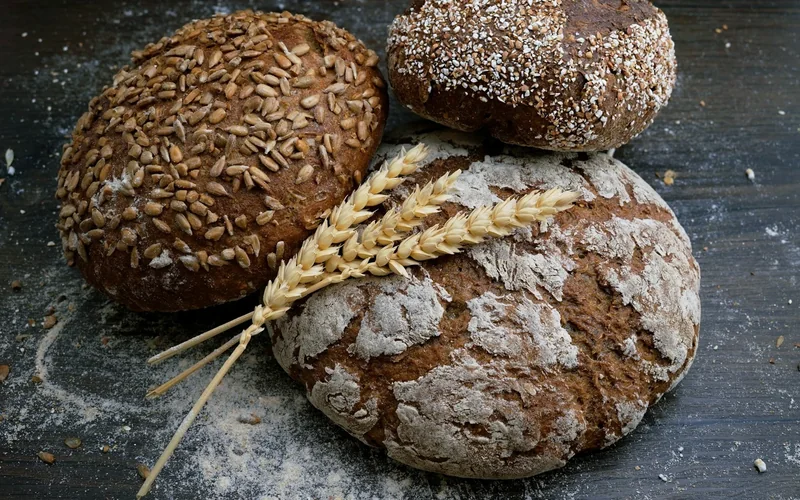
Pan de Alfacar: The Protected Specification Behind a Spanish Loaf
Pan de Alfacar is protected by a specification that reaches from the water source to the oven load. Its detail is useful precisely because it does not turn every choice into a single recipe.
 Read story
Bread Atlas
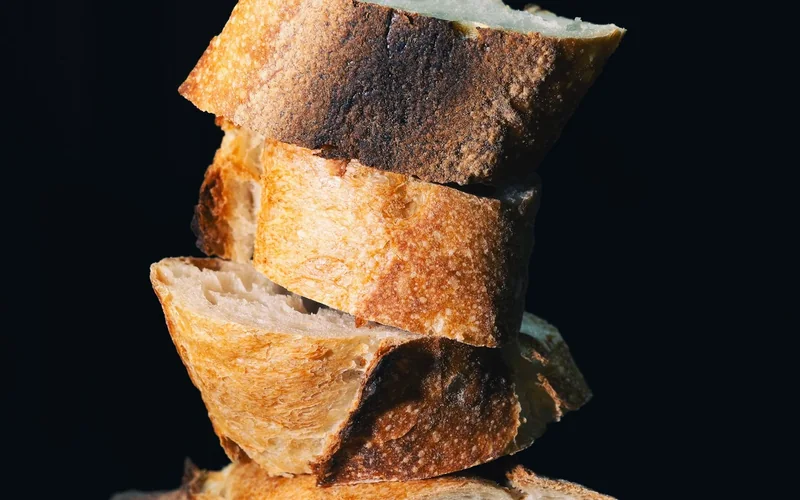
Pane di Matera: What Its PGI Specification Actually Requires
The Pane di Matera designation is more than a regional name. Its file describes flour, dimensions and process, while leaving the baker room to make loaves that are not all the same size or shape.
Read story
Bread Atlas
Pane di Matera: What Its PGI Specification Actually Requires
The Pane di Matera designation is more than a regional name. Its file describes flour, dimensions and process, while leaving the baker room to make loaves that are not all the same size or shape.
 Read story
Bread Atlas
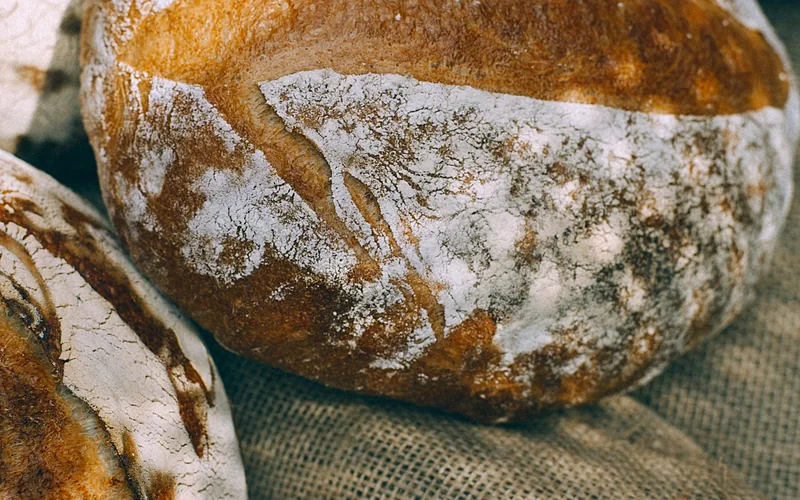
Pain de Campagne: What French Law Defines and What It Leaves Open
France writes some bread names into law with unusual precision, down to a maximum pH and a minimum acetic acid figure. The country loaf is not among them, and that absence explains a lot about what you buy.
Read story
Bread Atlas
Pain de Campagne: What French Law Defines and What It Leaves Open
France writes some bread names into law with unusual precision, down to a maximum pH and a minimum acetic acid figure. The country loaf is not among them, and that absence explains a lot about what you buy.
 Read story
Bread Atlas
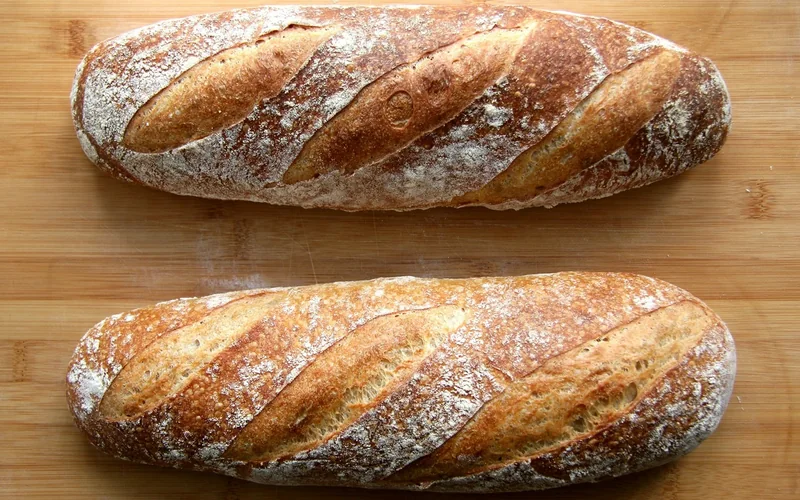
Pane di Altamura: Inside the Specification That Defines a Protected Loaf
Most bread names are marketing. This one is a filed document with numbers in it: four named wheat varieties, a milling temperature ceiling, a 60-minute bake split in two, and a crust that must reach three millimetres.
Read story
Bread Atlas
Pane di Altamura: Inside the Specification That Defines a Protected Loaf
Most bread names are marketing. This one is a filed document with numbers in it: four named wheat varieties, a milling temperature ceiling, a 60-minute bake split in two, and a crust that must reach three millimetres.
 Read story
Bread Atlas
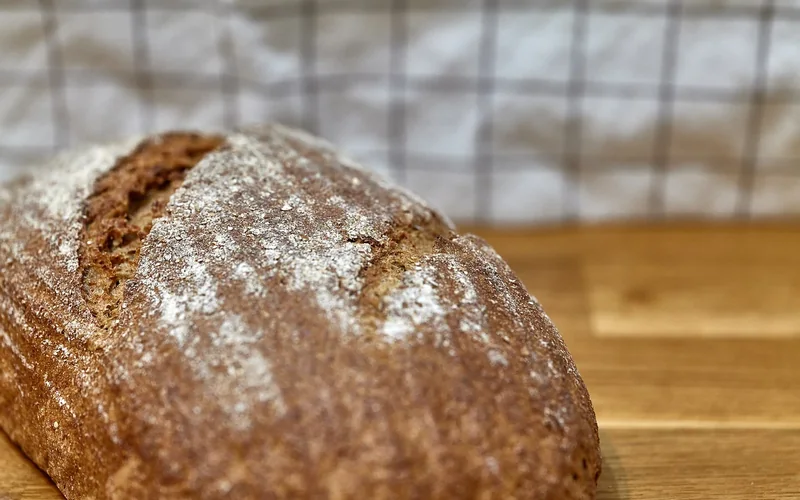
German Rye Blends: How the Bread Guidelines Decide What a Loaf Is Called
A German bread label is closer to a specification than a slogan. Behind the names sits a set of published guidelines with percentages attached, and behind the rye loaves sits a piece of enzyme chemistry that leaves the baker no choice.
Read story
Bread Atlas
German Rye Blends: How the Bread Guidelines Decide What a Loaf Is Called
A German bread label is closer to a specification than a slogan. Behind the names sits a set of published guidelines with percentages attached, and behind the rye loaves sits a piece of enzyme chemistry that leaves the baker no choice.
 Read story
Bread Atlas
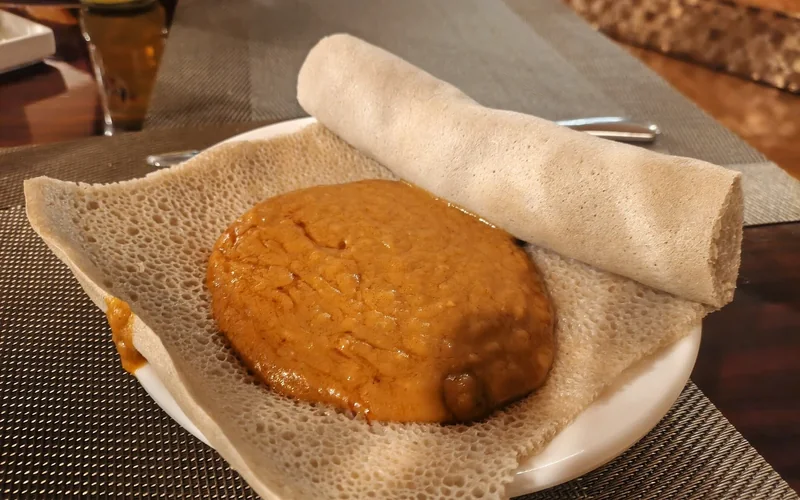
Injera: What the Ersho Starter and the Absit Step Actually Do
Two things separate injera from any other batter poured on a griddle: a liquid starter carried over from the previous batch, and a cooked portion of batter returned to the bowl. The published work on both is more specific than the folklore.
Read story
Bread Atlas
Injera: What the Ersho Starter and the Absit Step Actually Do
Two things separate injera from any other batter poured on a griddle: a liquid starter carried over from the previous batch, and a cooked portion of batter returned to the bowl. The published work on both is more specific than the folklore.
 Read story
Bread Atlas
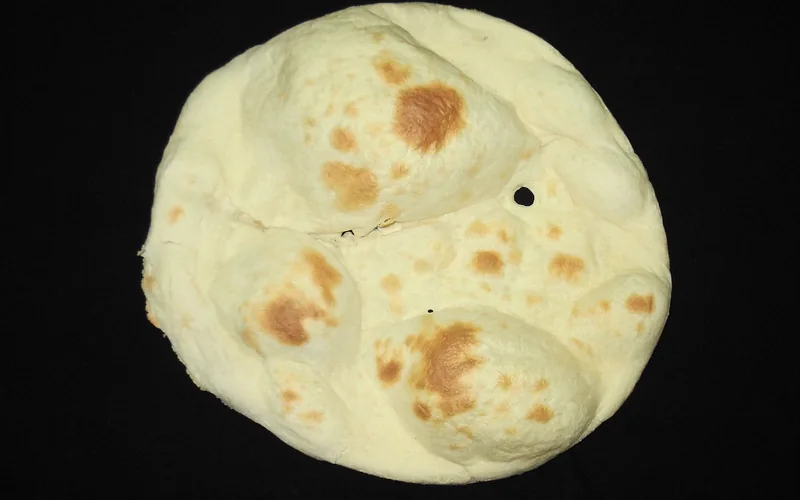
Tandoor Baking: How Naan Actually Cooks on a Clay Wall
The interesting question about a tandoor is not how hot it gets but where the heat comes from. One published measurement splits it almost evenly between two paths, and neither of them is the hot air.
Read story
Bread Atlas
Tandoor Baking: How Naan Actually Cooks on a Clay Wall
The interesting question about a tandoor is not how hot it gets but where the heat comes from. One published measurement splits it almost evenly between two paths, and neither of them is the hot air.
 Read story
Bread Atlas
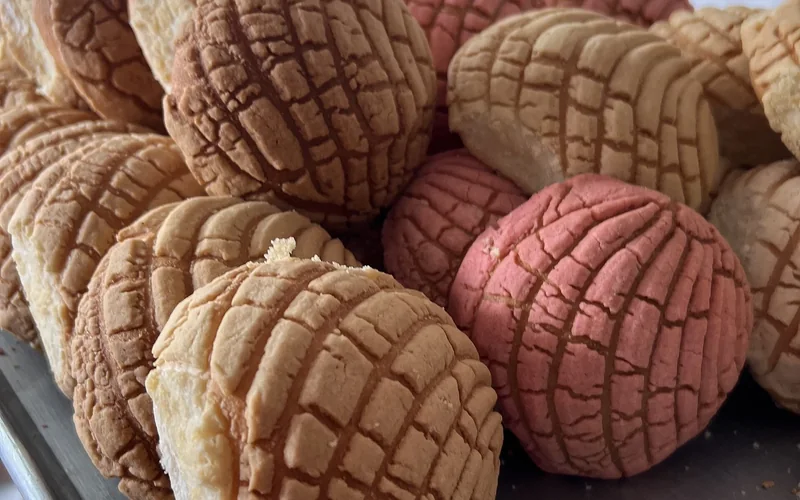
Bolillo and Pan Dulce: What Mexican Standards Define and What Archives Record
Mexico writes pan dulce into federal regulation and leaves the bolillo undefined. That asymmetry is not an oversight; it follows from three centuries of regulating bakeries rather than loaves.
Read story
Bread Atlas
Bolillo and Pan Dulce: What Mexican Standards Define and What Archives Record
Mexico writes pan dulce into federal regulation and leaves the bolillo undefined. That asymmetry is not an oversight; it follows from three centuries of regulating bakeries rather than loaves.
 Read story
Bread Atlas
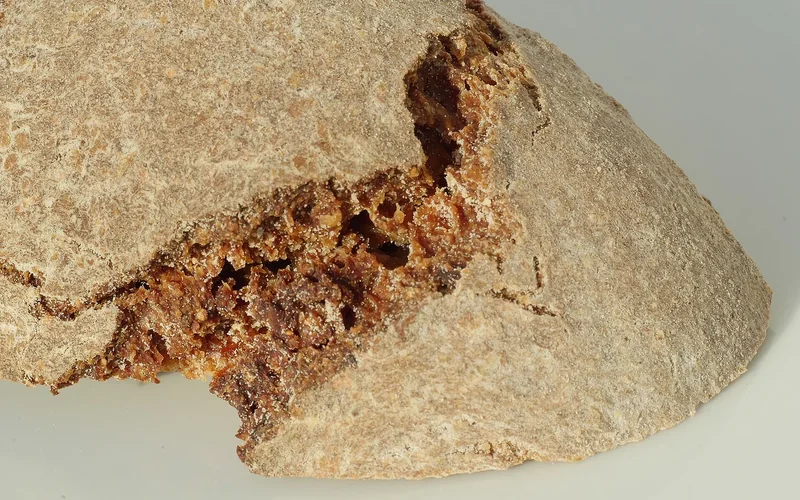
Danish Rugbrød: Two Whole-Grain Thresholds and No Legal Recipe
Denmark never wrote down what rugbrød is. It wrote down something more useful instead: two separate whole-grain thresholds that a rye loaf must clear before it may carry a label, and they do not agree with each other.
Read story
Bread Atlas
Danish Rugbrød: Two Whole-Grain Thresholds and No Legal Recipe
Denmark never wrote down what rugbrød is. It wrote down something more useful instead: two separate whole-grain thresholds that a rye loaf must clear before it may carry a label, and they do not agree with each other.
 Read story
Bread Atlas
Shokupan and the Yudane Method: Solid Physics, Thin Evidence
The mechanism a cooked flour paste is supposed to exploit has been measured repeatedly and precisely. The method built on it has almost no publicly readable quantitative evidence at all. Both halves of that sentence are worth knowing.
Read story
Bread Atlas
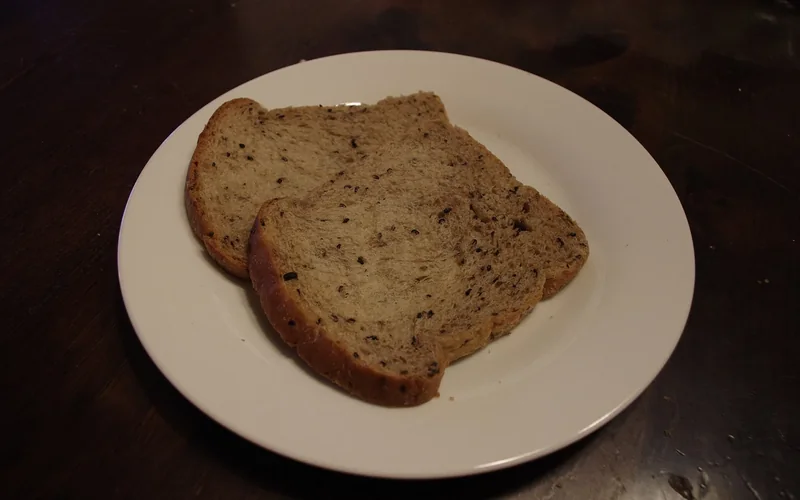
Shokupan and the Yudane Method: Solid Physics, Thin Evidence
The mechanism a cooked flour paste is supposed to exploit has been measured repeatedly and precisely. The method built on it has almost no publicly readable quantitative evidence at all. Both halves of that sentence are worth knowing.
 Read story
Read story
Bread Atlas
Pane di Matera: What Its PGI Specification Actually Requires
The Pane di Matera designation is more than a regional name. Its file describes flour, dimensions and process, while leaving the baker room to make loaves that are not all the same size or shape.
Read story
Bread Atlas
Pain de Campagne: What French Law Defines and What It Leaves Open
France writes some bread names into law with unusual precision, down to a maximum pH and a minimum acetic acid figure. The country loaf is not among them, and that absence explains a lot about what you buy.
Read story
Bread Atlas
Pane di Altamura: Inside the Specification That Defines a Protected Loaf
Most bread names are marketing. This one is a filed document with numbers in it: four named wheat varieties, a milling temperature ceiling, a 60-minute bake split in two, and a crust that must reach three millimetres.
Read story
Bread Atlas
German Rye Blends: How the Bread Guidelines Decide What a Loaf Is Called
A German bread label is closer to a specification than a slogan. Behind the names sits a set of published guidelines with percentages attached, and behind the rye loaves sits a piece of enzyme chemistry that leaves the baker no choice.
Read story
Bread Atlas
Injera: What the Ersho Starter and the Absit Step Actually Do
Two things separate injera from any other batter poured on a griddle: a liquid starter carried over from the previous batch, and a cooked portion of batter returned to the bowl. The published work on both is more specific than the folklore.
Read story
Bread Atlas
Tandoor Baking: How Naan Actually Cooks on a Clay Wall
The interesting question about a tandoor is not how hot it gets but where the heat comes from. One published measurement splits it almost evenly between two paths, and neither of them is the hot air.
Read story
Bread Atlas
Bolillo and Pan Dulce: What Mexican Standards Define and What Archives Record
Mexico writes pan dulce into federal regulation and leaves the bolillo undefined. That asymmetry is not an oversight; it follows from three centuries of regulating bakeries rather than loaves.
Read story
Bread Atlas
Danish Rugbrød: Two Whole-Grain Thresholds and No Legal Recipe
Denmark never wrote down what rugbrød is. It wrote down something more useful instead: two separate whole-grain thresholds that a rye loaf must clear before it may carry a label, and they do not agree with each other.
Read story
Bread Atlas
Shokupan and the Yudane Method: Solid Physics, Thin Evidence
The mechanism a cooked flour paste is supposed to exploit has been measured repeatedly and precisely. The method built on it has almost no publicly readable quantitative evidence at all. Both halves of that sentence are worth knowing.
Read story