Method Notes
Process steps explained by what they actually change in dough.
Method Notes explains hydration arithmetic, autolyse, bulk fermentation temperature, shaping tension, cold retarding, scoring, and staling, with the cereal-science reasoning behind each step.
10 articles
Method Notes
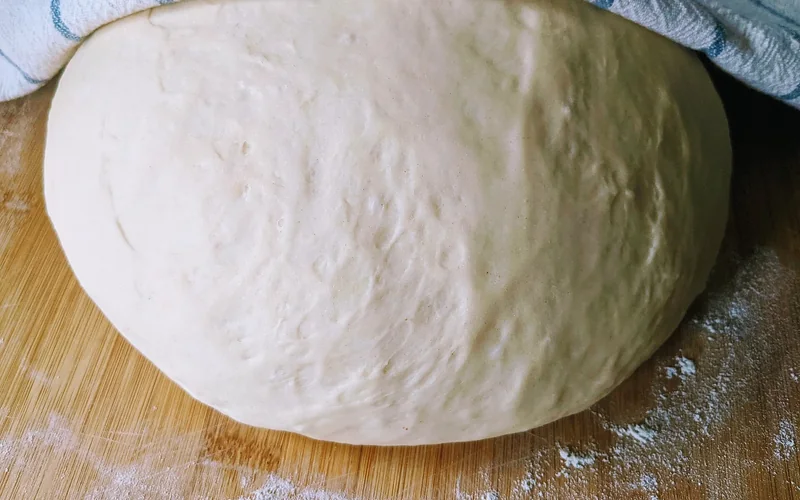
Autolyse: What a Flour-and-Water Rest Can—and Cannot—Change
An autolyse gives flour and water time to interact before the full dough is mixed. Its value depends on the flour, formula and schedule; the word should not promise a transformation that was never measured.
 Read story
Method Notes
Mixing Energy: Why Mixer Minutes Do Not Transfer Between Doughs
A six-minute mix on one machine may not reproduce a six-minute mix on another. Power, speed, bowl geometry, dough size and flour all shape the energy a dough receives.
Read story
Method Notes
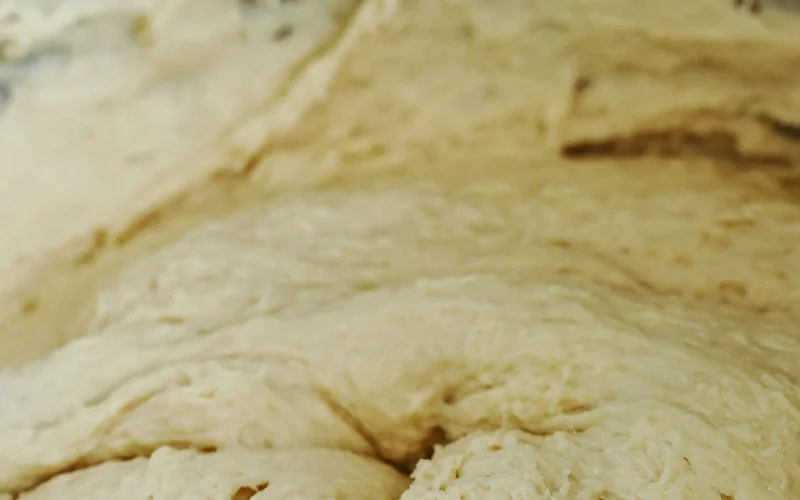
Mixing Energy: Why Mixer Minutes Do Not Transfer Between Doughs
A six-minute mix on one machine may not reproduce a six-minute mix on another. Power, speed, bowl geometry, dough size and flour all shape the energy a dough receives.
 Read story
Method Notes
Sourdough Starter Maintenance: What a Survey of Real Starters Shows
Thirteen traditional starters measured together fell within about half a pH unit of each other while their acid content varied by a factor of two, and their bacteria-to-yeast ratios by more than a hundredfold.
Read story
Method Notes
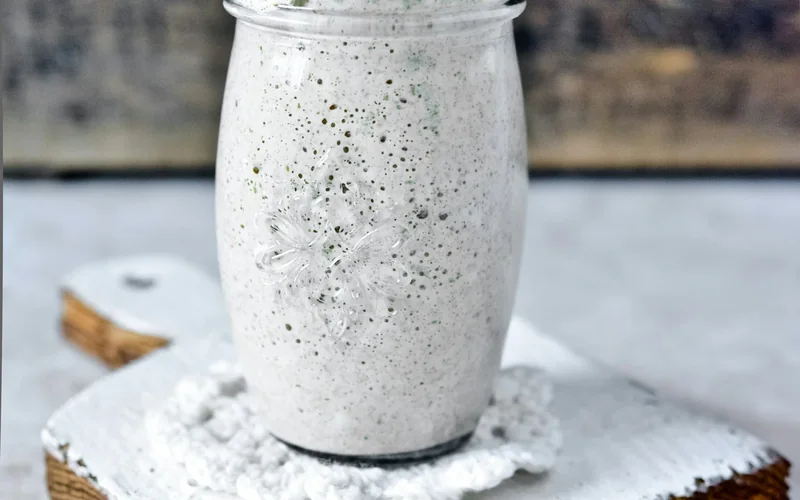
Sourdough Starter Maintenance: What a Survey of Real Starters Shows
Thirteen traditional starters measured together fell within about half a pH unit of each other while their acid content varied by a factor of two, and their bacteria-to-yeast ratios by more than a hundredfold.
 Read story
Method Notes
Gas Retention, Not Gas Production, Decides Loaf Volume
A dough that generated 1713 millilitres of carbon dioxide made a smaller loaf than one that generated 1136. The difference is entirely in what escaped, and it is measurable.
Read story
Method Notes
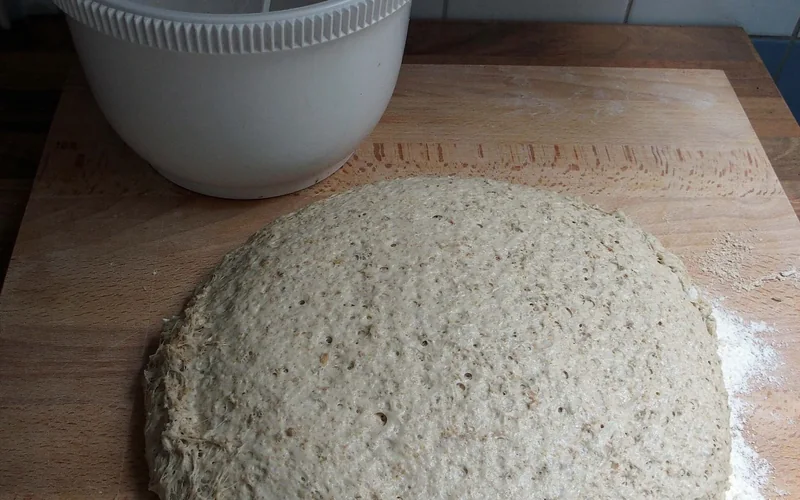
Gas Retention, Not Gas Production, Decides Loaf Volume
A dough that generated 1713 millilitres of carbon dioxide made a smaller loaf than one that generated 1136. The difference is entirely in what escaped, and it is measurable.
 Read story
Method Notes
Bulk Fermentation Temperature: Two Numbers and a Lot of Missing Data
Ten degrees of extra warmth bought two hours in the one published comparison I could find. The confident tables of temperature against flavour circulating in baking writing are not built on data I can trace.
Read story
Method Notes
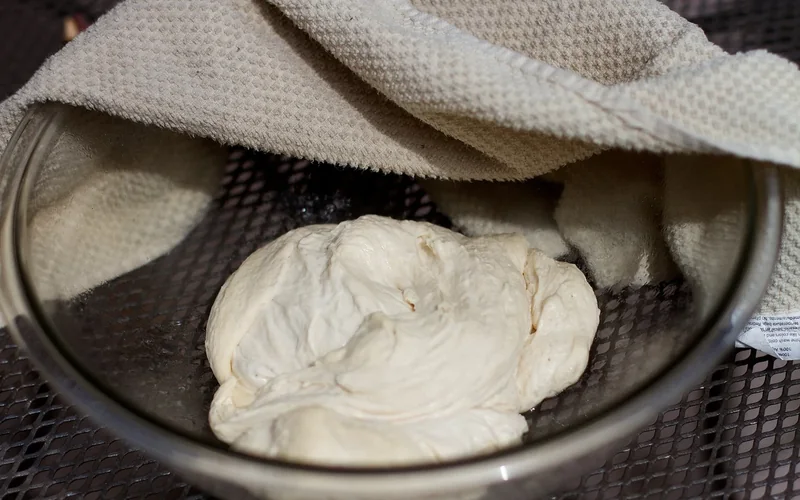
Bulk Fermentation Temperature: Two Numbers and a Lot of Missing Data
Ten degrees of extra warmth bought two hours in the one published comparison I could find. The confident tables of temperature against flavour circulating in baking writing are not built on data I can trace.
 Read story
Method Notes
Measuring Crumb: Seven Parameters Instead of One Opinion
Open crumb, tight crumb, even crumb: these are opinions. The published list of quantifiable crumb parameters runs to seven, and the equipment needed to capture most of them is a document scanner.
Read story
Method Notes
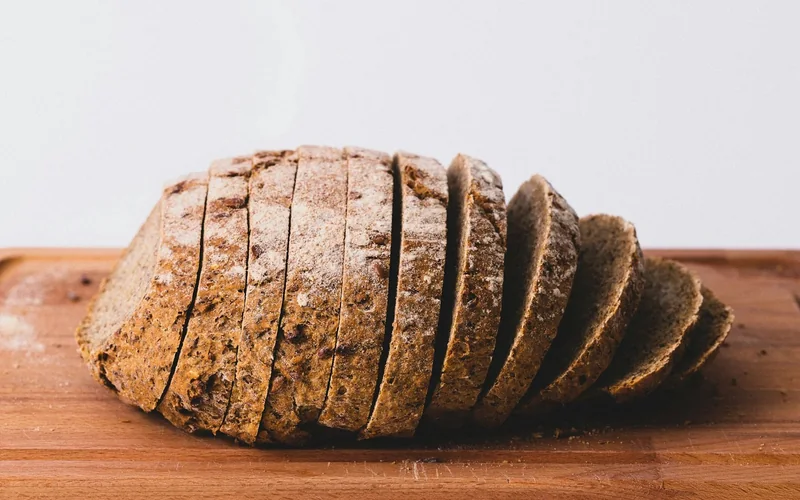
Measuring Crumb: Seven Parameters Instead of One Opinion
Open crumb, tight crumb, even crumb: these are opinions. The published list of quantifiable crumb parameters runs to seven, and the equipment needed to capture most of them is a document scanner.
 Read story
Method Notes
What Happens to Dough at 4 Degrees, Measured Over Fourteen Days
A study that kept dough at 4 degrees for a fortnight recorded firmness halving, pH dropping by nearly one and a half units, and gas holding peaking then failing. An overnight retard is the first few hours of that trajectory.
Read story
Method Notes
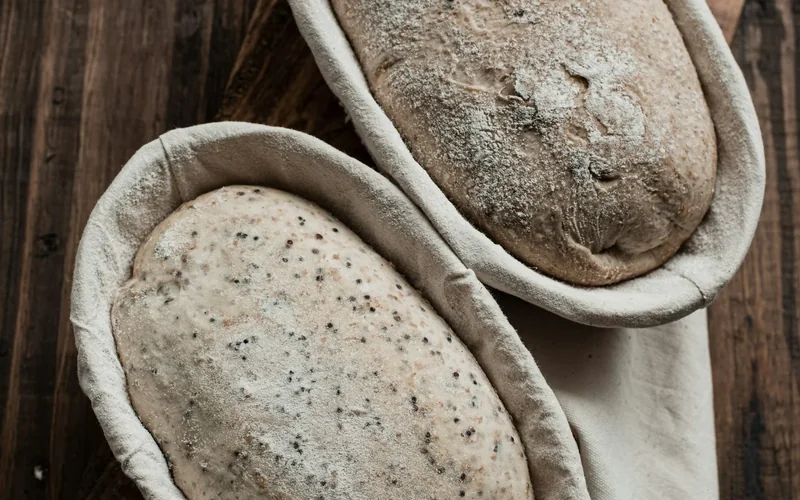
What Happens to Dough at 4 Degrees, Measured Over Fourteen Days
A study that kept dough at 4 degrees for a fortnight recorded firmness halving, pH dropping by nearly one and a half units, and gas holding peaking then failing. An overnight retard is the first few hours of that trajectory.
 Read story
Method Notes
Hydration Is a Property of the Flour, Not of the Recipe
A hydration figure in a recipe is a statement about someone else's flour. The formal measurement behind it targets a fixed dough consistency, and it does not track protein content the way most bakers assume.
Read story
Method Notes
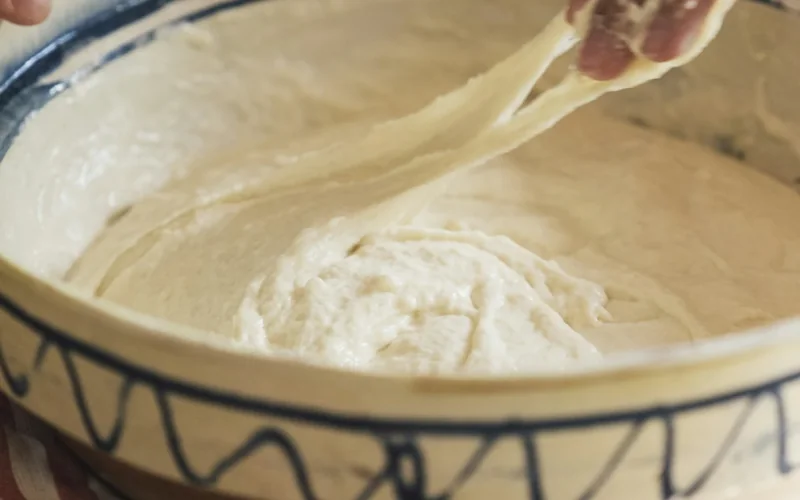
Hydration Is a Property of the Flour, Not of the Recipe
A hydration figure in a recipe is a statement about someone else's flour. The formal measurement behind it targets a fixed dough consistency, and it does not track protein content the way most bakers assume.
 Read story
Method Notes
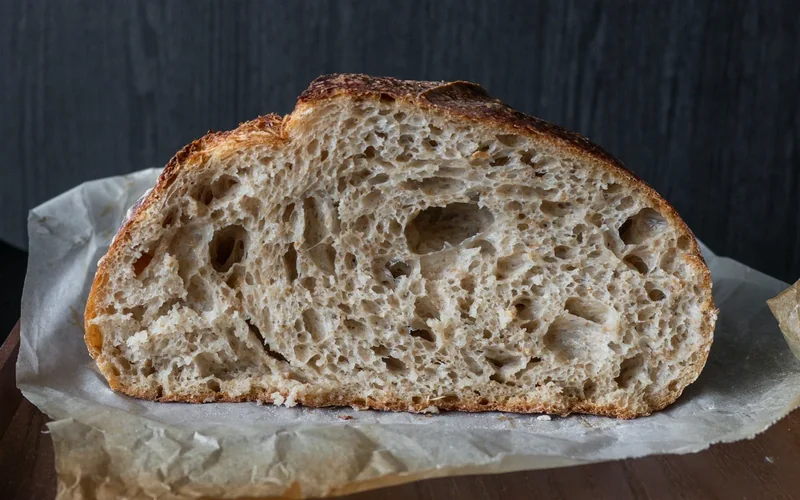
Oven Rise Is a Race Between Gas Pressure and a Drying Skin
Two things happen at once when a loaf enters the oven: the gas inside pushes outward, and the surface begins to dry into something rigid. Whichever prevails first determines the height of the loaf.
Read story
Method Notes
Oven Rise Is a Race Between Gas Pressure and a Drying Skin
Two things happen at once when a loaf enters the oven: the gas inside pushes outward, and the surface begins to dry into something rigid. Whichever prevails first determines the height of the loaf.
 Read story
Method Notes
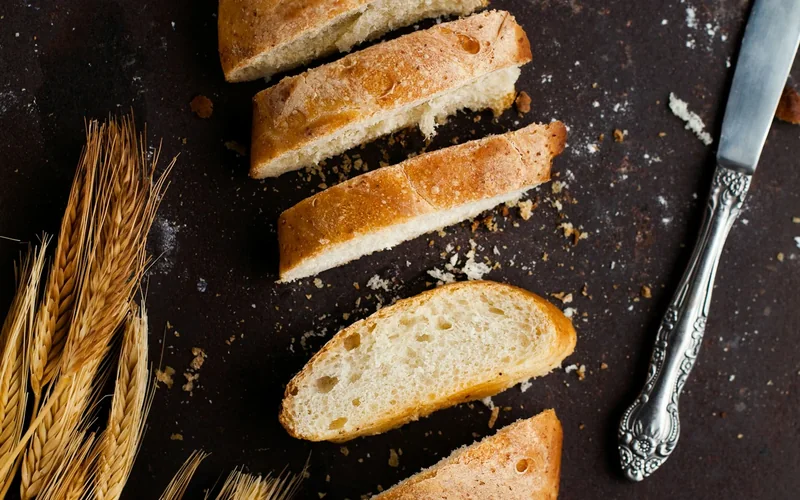
Staling Has a Rate Constant, and You Can Change It
Firmness at day one tells you about the bake. The rate at which firmness climbs tells you about the formulation, and it can be fitted to a number: in one study, 0.28 per day against 0.14.
Read story
Method Notes
Staling Has a Rate Constant, and You Can Change It
Firmness at day one tells you about the bake. The rate at which firmness climbs tells you about the formulation, and it can be fitted to a number: in one study, 0.28 per day against 0.14.
 Read story
Read story
Method Notes
Mixing Energy: Why Mixer Minutes Do Not Transfer Between Doughs
A six-minute mix on one machine may not reproduce a six-minute mix on another. Power, speed, bowl geometry, dough size and flour all shape the energy a dough receives.
Read story
Method Notes
Sourdough Starter Maintenance: What a Survey of Real Starters Shows
Thirteen traditional starters measured together fell within about half a pH unit of each other while their acid content varied by a factor of two, and their bacteria-to-yeast ratios by more than a hundredfold.
Read story
Method Notes
Gas Retention, Not Gas Production, Decides Loaf Volume
A dough that generated 1713 millilitres of carbon dioxide made a smaller loaf than one that generated 1136. The difference is entirely in what escaped, and it is measurable.
Read story
Method Notes
Bulk Fermentation Temperature: Two Numbers and a Lot of Missing Data
Ten degrees of extra warmth bought two hours in the one published comparison I could find. The confident tables of temperature against flavour circulating in baking writing are not built on data I can trace.
Read story
Method Notes
Measuring Crumb: Seven Parameters Instead of One Opinion
Open crumb, tight crumb, even crumb: these are opinions. The published list of quantifiable crumb parameters runs to seven, and the equipment needed to capture most of them is a document scanner.
Read story
Method Notes
What Happens to Dough at 4 Degrees, Measured Over Fourteen Days
A study that kept dough at 4 degrees for a fortnight recorded firmness halving, pH dropping by nearly one and a half units, and gas holding peaking then failing. An overnight retard is the first few hours of that trajectory.
Read story
Method Notes
Hydration Is a Property of the Flour, Not of the Recipe
A hydration figure in a recipe is a statement about someone else's flour. The formal measurement behind it targets a fixed dough consistency, and it does not track protein content the way most bakers assume.
Read story
Method Notes
Oven Rise Is a Race Between Gas Pressure and a Drying Skin
Two things happen at once when a loaf enters the oven: the gas inside pushes outward, and the surface begins to dry into something rigid. Whichever prevails first determines the height of the loaf.
Read story
Method Notes
Staling Has a Rate Constant, and You Can Change It
Firmness at day one tells you about the bake. The rate at which firmness climbs tells you about the formulation, and it can be fitted to a number: in one study, 0.28 per day against 0.14.
Read story