Grain Stories
What the grain does before the baker touches it.
Grain Stories covers species and variety differences, extraction and ash figures, milling systems, protein quality, and the storage behaviour of whole-grain flours, using agricultural research and milling documentation.
10 articles
Grain Stories
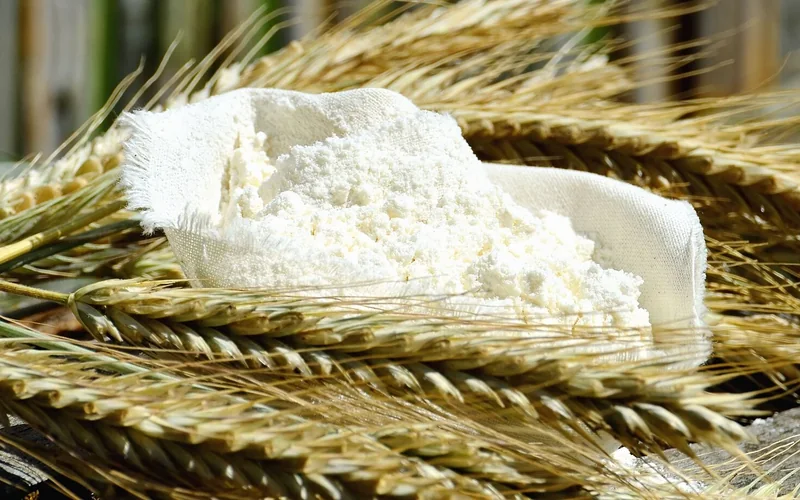
Damaged Starch: The Milling Variable Behind Flour’s Water Demand
A flour that drinks more water may not simply be a stronger flour. Starch damage is one milling variable that helps explain the difference, but its effect must be read with the rest of the flour analysis.
 Read story
Grain Stories
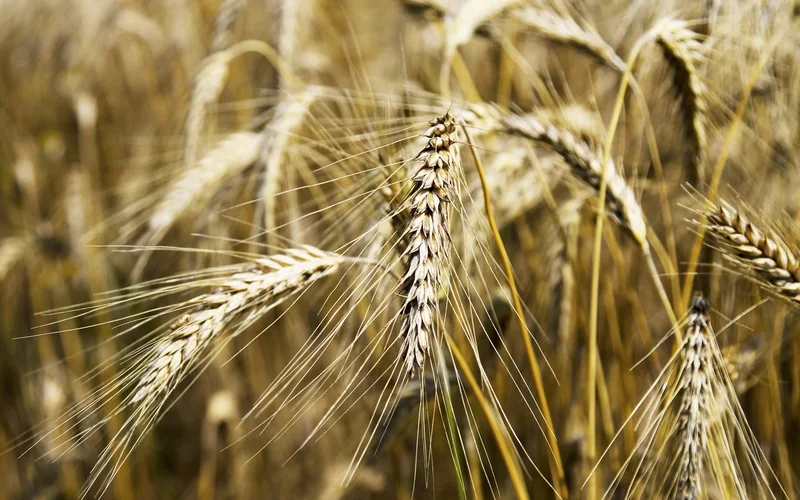
Falling Number: What the Test Measures—and What It Does Not
A Falling Number is a time in seconds produced by a standardized test. Understanding the heated paste behind that number makes it easier to use the result without asking it to explain an entire loaf.
Read story
Grain Stories
Falling Number: What the Test Measures—and What It Does Not
A Falling Number is a time in seconds produced by a standardized test. Understanding the heated paste behind that number makes it easier to use the result without asking it to explain an entire loaf.
 Read story
Grain Stories
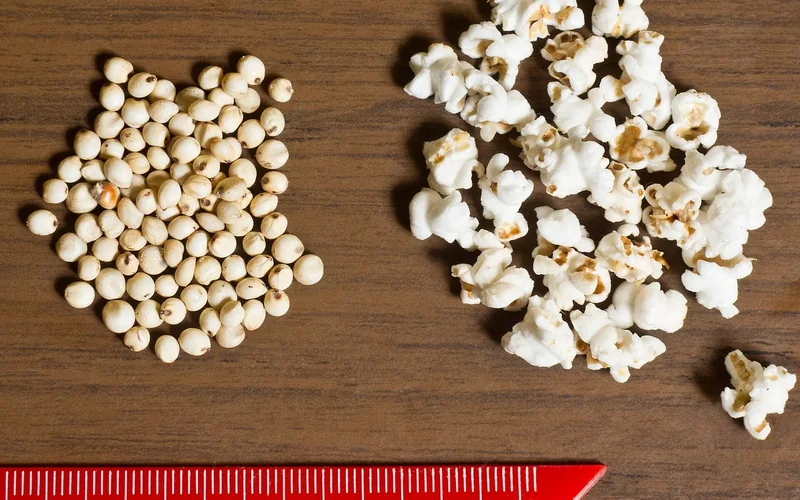
Sorghum Bread: What the Grain’s Chemistry Can—and Cannot—Build
Sorghum bread is not a wheat loaf with one ingredient swapped. The grain's starch, proteins and milling properties call for a different structure, and published experiments show that flour choice matters.
Read story
Grain Stories
Sorghum Bread: What the Grain’s Chemistry Can—and Cannot—Build
Sorghum bread is not a wheat loaf with one ingredient swapped. The grain's starch, proteins and milling properties call for a different structure, and published experiments show that flour choice matters.
 Read story
Grain Stories
Heritage Wheat: A Term With No Definition, and a Word That Has One
One of these two terms has forty years of scholarly argument behind it and a definition that keeps being rewritten. The other is a marketing word. Telling them apart changes what you can reasonably claim about old wheat.
Read story
Grain Stories
Heritage Wheat: A Term With No Definition, and a Word That Has One
One of these two terms has forty years of scholarly argument behind it and a definition that keeps being rewritten. The other is a marketing word. Telling them apart changes what you can reasonably claim about old wheat.
 Read story
Grain Stories
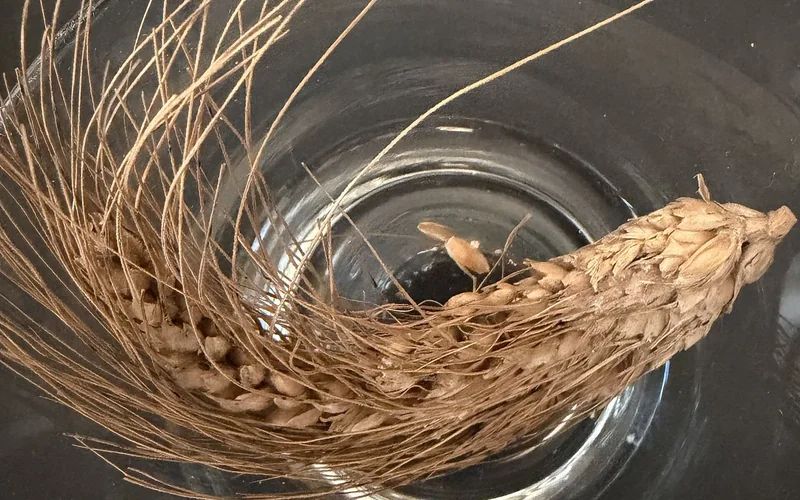
Einkorn, Emmer, and Spelt: Ploidy, Hulls, and Two Naming Systems
Three grains, three ploidy levels, one shared inconvenience: all of them arrive still wrapped. And depending on which paper you read, they either are or are not subspecies of something else.
Read story
Grain Stories
Einkorn, Emmer, and Spelt: Ploidy, Hulls, and Two Naming Systems
Three grains, three ploidy levels, one shared inconvenience: all of them arrive still wrapped. And depending on which paper you read, they either are or are not subspecies of something else.
 Read story
Grain Stories
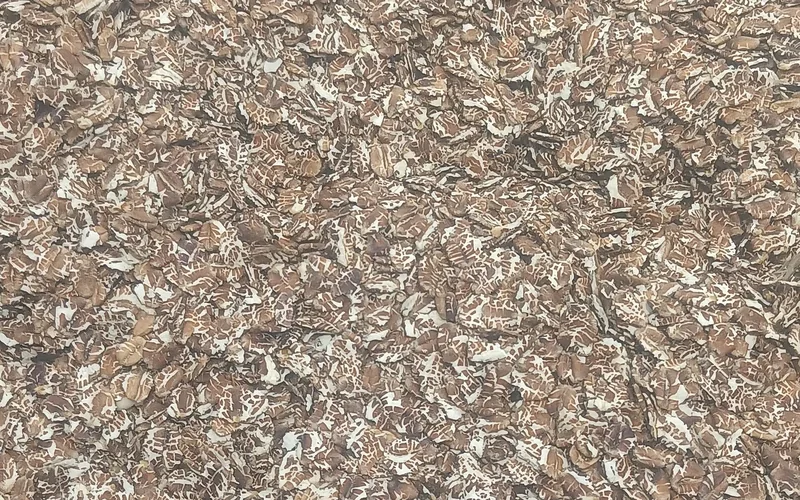
Rye Flour Types and Extraction: What the Numbers on the Bag Measure
A type number on a flour bag is an ash measurement wearing a costume. Understanding what it stands in for, and why the underlying standards are harder to check than you would expect, makes rye flour buying far less mysterious.
Read story
Grain Stories
Rye Flour Types and Extraction: What the Numbers on the Bag Measure
A type number on a flour bag is an ash measurement wearing a costume. Understanding what it stands in for, and why the underlying standards are harder to check than you would expect, makes rye flour buying far less mysterious.
 Read story
Grain Stories
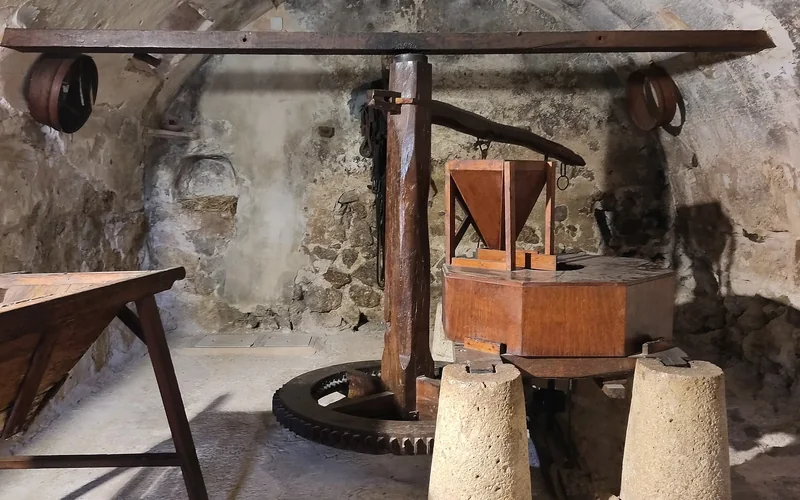
Stone Milling and Roller Milling: The Variable That Actually Matters
The argument between stone and roller milling is usually framed as a nutritional one. Several studies that set out to measure exactly that found the composition barely moved, and something else did.
Read story
Grain Stories
Stone Milling and Roller Milling: The Variable That Actually Matters
The argument between stone and roller milling is usually framed as a nutritional one. Several studies that set out to measure exactly that found the composition barely moved, and something else did.
 Read story
Grain Stories
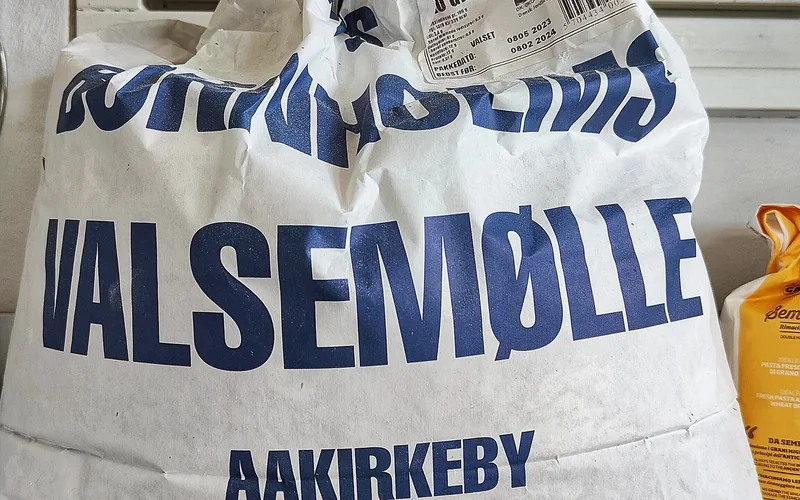
Whole-Grain Flour Goes Off Two Different Ways
Free fatty acids rising fivefold in ten weeks at room temperature, and a separate reaction producing the aldehydes you can actually smell. Whole-grain flour has two spoilage mechanisms, and confusing them leads to the wrong storage decisions.
Read story
Grain Stories
Whole-Grain Flour Goes Off Two Different Ways
Free fatty acids rising fivefold in ten weeks at room temperature, and a separate reaction producing the aldehydes you can actually smell. Whole-grain flour has two spoilage mechanisms, and confusing them leads to the wrong storage decisions.
 Read story
Grain Stories
Buckwheat Is Not a Cereal, and Gluten-Free Bread Shows Why It Matters
A control gluten-free loaf comes out at half the volume of a wheat loaf and eight to nine times the firmness. That gap is measurable, and so is the effect of each of the usual remedies.
Read story
Grain Stories
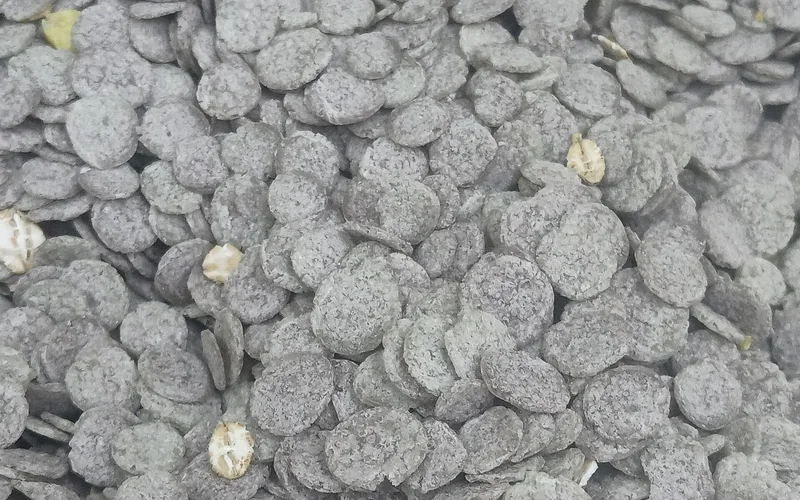
Buckwheat Is Not a Cereal, and Gluten-Free Bread Shows Why It Matters
A control gluten-free loaf comes out at half the volume of a wheat loaf and eight to nine times the firmness. That gap is measurable, and so is the effect of each of the usual remedies.
 Read story
Grain Stories
Gluten Quality: Several Measurements, and Why Protein Content Is Not One of Them
Two flours with the same protein figure can behave nothing alike. The measurements that separate them are specific, standardised, and mostly absent from the bag you buy.
Read story
Grain Stories
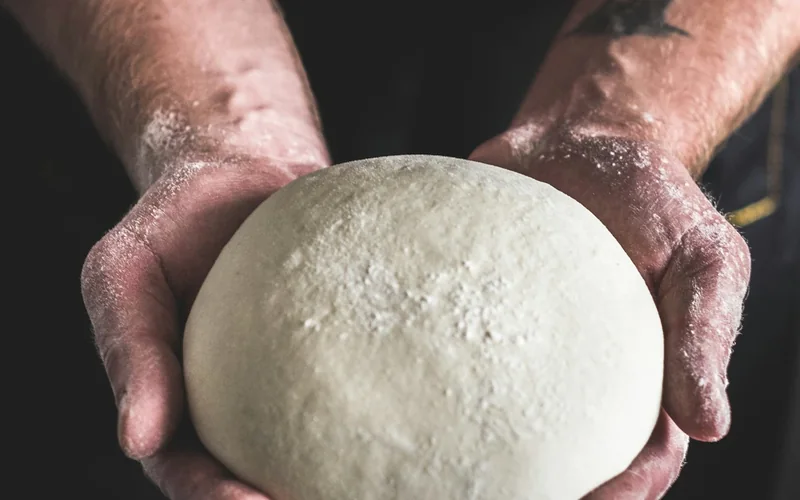
Gluten Quality: Several Measurements, and Why Protein Content Is Not One of Them
Two flours with the same protein figure can behave nothing alike. The measurements that separate them are specific, standardised, and mostly absent from the bag you buy.
 Read story
Read story
Grain Stories
Falling Number: What the Test Measures—and What It Does Not
A Falling Number is a time in seconds produced by a standardized test. Understanding the heated paste behind that number makes it easier to use the result without asking it to explain an entire loaf.
Read story
Grain Stories
Sorghum Bread: What the Grain’s Chemistry Can—and Cannot—Build
Sorghum bread is not a wheat loaf with one ingredient swapped. The grain's starch, proteins and milling properties call for a different structure, and published experiments show that flour choice matters.
Read story
Grain Stories
Heritage Wheat: A Term With No Definition, and a Word That Has One
One of these two terms has forty years of scholarly argument behind it and a definition that keeps being rewritten. The other is a marketing word. Telling them apart changes what you can reasonably claim about old wheat.
Read story
Grain Stories
Einkorn, Emmer, and Spelt: Ploidy, Hulls, and Two Naming Systems
Three grains, three ploidy levels, one shared inconvenience: all of them arrive still wrapped. And depending on which paper you read, they either are or are not subspecies of something else.
Read story
Grain Stories
Rye Flour Types and Extraction: What the Numbers on the Bag Measure
A type number on a flour bag is an ash measurement wearing a costume. Understanding what it stands in for, and why the underlying standards are harder to check than you would expect, makes rye flour buying far less mysterious.
Read story
Grain Stories
Stone Milling and Roller Milling: The Variable That Actually Matters
The argument between stone and roller milling is usually framed as a nutritional one. Several studies that set out to measure exactly that found the composition barely moved, and something else did.
Read story
Grain Stories
Whole-Grain Flour Goes Off Two Different Ways
Free fatty acids rising fivefold in ten weeks at room temperature, and a separate reaction producing the aldehydes you can actually smell. Whole-grain flour has two spoilage mechanisms, and confusing them leads to the wrong storage decisions.
Read story
Grain Stories
Buckwheat Is Not a Cereal, and Gluten-Free Bread Shows Why It Matters
A control gluten-free loaf comes out at half the volume of a wheat loaf and eight to nine times the firmness. That gap is measurable, and so is the effect of each of the usual remedies.
Read story
Grain Stories
Gluten Quality: Several Measurements, and Why Protein Content Is Not One of Them
Two flours with the same protein figure can behave nothing alike. The measurements that separate them are specific, standardised, and mostly absent from the bag you buy.
Read story